Little India and the Singapore Indian Community: Through the Ages
I dedicate this book to my father-in-law, Dr S Vairavan (84), who had his successful medical practice in Little India, serving the community from 1970 to 2011.
His Starlight Clinic was situated in:
- • 255 Race Course Road (1970 to 1982)
- • 278 Race Course Road (1983 to 1996)
- • 547 Serangoon Road (1996 to 2011)
He was also the doctor for many Indian organisations like Indian Bank, Indian Overseas Bank, UCO Bank, Singapore Indian Fine Arts Society, and many other small Indian firms and individuals in the community.
People start to value their language, culture and traditions more when they are migrants in another country. Usually, they congregate in specific places that become an integral part of their lives in their adopted country. These places offer connections to aspects of their identity, and attachment to such places grow stronger over time. Little India is one such place in Singapore. It offers Indians a strong sense of ethnic attachment and it has become an indispensable part of the lives of Singapore Indians.
Little India offers a variety of experiences - cuisines, flowers, vegetables, an array of Indian commodities and products. It also has temples, art and heritage centres that lure not only Indians but also people of other ethnicities to experience and appreciate Indian culture and traditions.
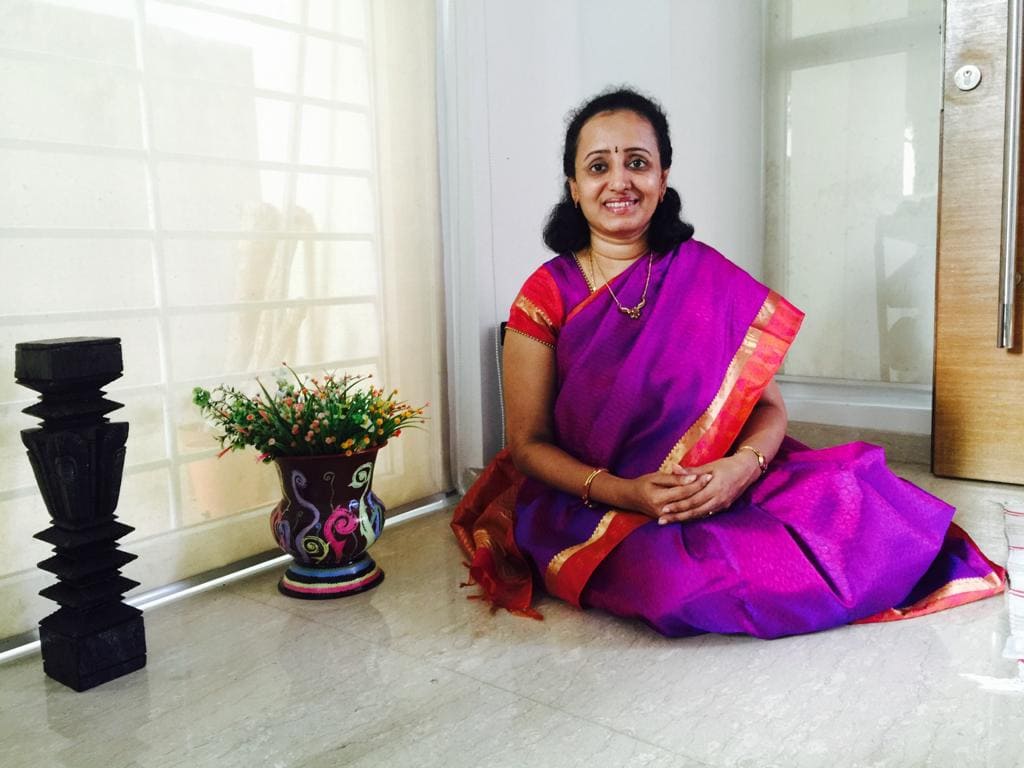
Apart from the cultural and commercial aspects, Little India has its own rich history that warrants recording in a book. This year, 2025, being the 60th Anniversary of Singapore, it is my wish to document the story of Little India as my little contribution to the nation.
This book is for general readers, written in a journalistic way of presenting the facts. Along with my readings of related books and personal experiences, my research and interviews have helped me in producing this book. I hope readers find it informative and interesting.
There are many who have helped me in bringing this book to fruition. Particularly, I would like to thank Mr K Kesavapany, Former Ambassador, who highlighted the key points to be included and Mr R Mohanadas, retired teacher, for editing this book.
Soundara Nayaki Vairavan
Singapore, April 2025
In this book, Moulmein-Cairnhill Constituency resident Soundara Nayaki Vairavan, explores the rich history and enduring significance of Little India. She examines the contributions of our Indian community to this vibrant locale, tracing its evolution from early settlements to its current status as a cultural and commercial hub.
I thank Soundara for her passion to unpack Little India’s rich heritage and history, opening up its vibrant character to all who enjoy its colourful offerings.
Wishing her all the best!
Mr Alvin Tan
Minister of State
Ministry of Culture, Community and Youth &
Ministry of Trade and Industry

Little India certainly has a very important place in the history and lives of Indians in Singapore. Little India has grown and changed with time as Singapore itself transformed so rapidly, particularly since the middle of the last century.
Thus the story of Little India should be told so that the present and future generations will not only understand the broad history of Little India but also learn about the many facets of this place, about its association with a number of key Indian organisations and businesses conducted here, and how today it has become the focus of so many Indian festivals and arts.
Having lived and grown up during this period of rapid development of this area, and with firsthand experience of Little India, its activities and people, it would be most appropriate for Soundara Nayaki to write on this topic and share it with Singapore residents and visitors.

Mr Rajan Krishnan
Chairman, Hindu Endowments Board
Mrs Soundara Nayaki’s book, ‘Little India and the Singapore Indian Community: Through the Ages’, is an exploration of the Singapore Indian community, weaving together history, culture and identity into an engaging narrative. It attempts to document the evolution of Little India and its profound influence on Singapore’s multicultural identity with depth. The book also captures the spirit and heritage of Little India across generations, celebrating its transformation from early businesses to a vibrant cultural and commercial hub.
The chapter on the Indian Heritage Centre is particularly noteworthy, highlighting its vital role in preserving and celebrating Indian culture in Singapore. Through its coverage of topics ranging from the social lives of early settlers to the significance of festivals and the contributions of Indian organisations, the book paints a vivid picture of Little India as a space for bonding, inclusivity and inter-ethnic harmony.
This remarkable tribute also honours the pioneers who shaped Little India into the dynamic community it is today, offering an insightful narrative that underscores its enduring legacy and promising future. I am confident anyone seeking to understand and appreciate the pivotal role of Little India and the Indian community in Singapore’s rich cultural tapestry will find the book an interesting read.
Mr R. Rajaram
Chairman, Indian Heritage Centre
I extend my heartfelt congratulations to Mrs Soundara Nayaki Vairavan on her publication ‘Little India and the Singapore Indian Community: Through the Ages’. The book captures the essence of Little India comprehensively while reflecting on our community’s collective culture, heritage and growth.
Along with looking at Little India through the modern lens, the book also preserves the efforts of the many generations who have worked hard to built better futures and contributed to nation-building in meaningful ways. This serves as a vital reminder of the advancements we have made over the decades, and it is important that this knowledge is preserved and passed on to younger generations, so that they will know and build upon our collective achievements.
At SINDA, we remain committed to fostering the growth and development of countless individuals and families within our community, and it is truly inspiring to see our journey of growth reflected in the publication’s insightful narrative.
On behalf of SINDA, my deepest gratitude and congratulations to Mrs Soundara Nayaki Vairavan on this remarkable publication and for her contribution to our community.
Mr Anbarasu Rajendran, JP
Chief Executive Officer, SINDA
Heartfelt congratulations on the launch of your book ‘Little India and the Singapore Indian Community Through the Ages’. Your work is a significant contribution in preserving and celebrating the rich history, heritage and evolution of the Indian community in Singapore.
Little India Shop Owners & Heritage Association (LISHA) celebrates its 25th Anniversary and in conjunction with SG60, and it is a great time that this book is launched to commemorate the community.
This book will undoubtedly serve as an important resource for generations to come, deepening our appreciation for the vibrant culture and resilience of the community.

Mr Regunarth Siva
Chairman, LISHA
Chapter One
“This chapter explores the foundation of Singapore and its early history.”
Singapore - An Overview
History has it that Temasek (now Singapore), situated at the tip of the Malay Archipelago, was invaded by several ancient kingdoms and was under the rule of a number of kings1.
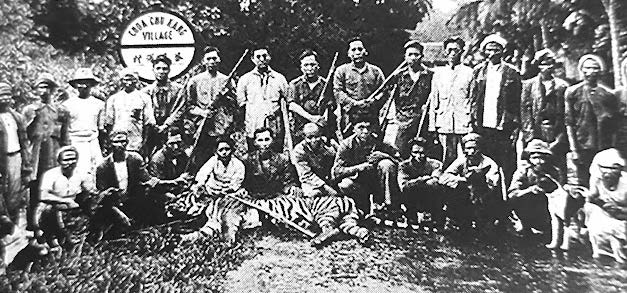
Among the many kings who set foot on the island, one was of particular importance. He was Sang Nila Utama, a Prince of the Sri Vijaya Kingdom. During one of his sea voyages, he saw an animal on this island and called it Singa, meaning ‘lion’. Those around him agreed that it was a lion, and so the Prince named the island Singapura (Lion City), which then became Singapore. Actually the Prince might have seen a tiger and not a lion, because, according to oral history records, there were tigers in the Bukit Timah area of Singapore in the early days. So, if the Prince had known that what he saw was a tiger and not a lion, Singapore may have had another name2!
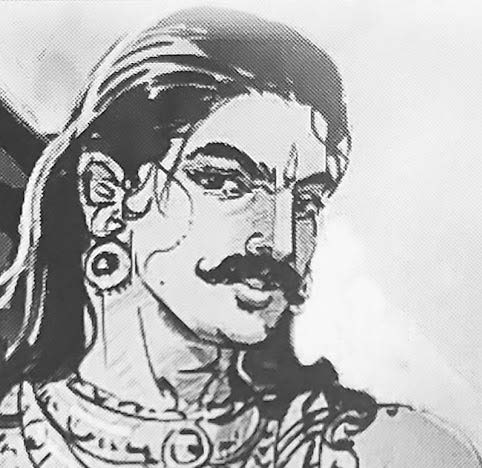
Sang Nila Utama
The commercial links with India have been there for many centuries thus Indian culture, literature and religions rooted in India, such as Hinduism and Buddhism, spread across the Malay Archipelago and the rest of South-east Asia3.
Arrival of Sir Stamford Raffles
In 1819, Sir Stamford Raffles came to Singapore. He signed a treaty with the Johor Sultanate to establish Singapore as a trading post on behalf of the British East India Company4. At that time, the island was inhabited by just over 1,000 people, mainly Orang Laut (seafaring people), about 30 to 40 Malays and an equal number of Chinese, but there were no Indians5.
Under the terms of the treaty, Sultan Hussein received a yearly sum of 5,000 Spanish dollars and the Temenggong (the Malay official responsible for law and order) a yearly sum of 3,000 Spanish dollars6. According to the first census taken of Singapore in 1824, the entire population was just under 11,000 then, with the majority being Malay and the rest Chinese, Indians, Europeans, Armenians and Arabs7. That first census recorded 756 Indians8.
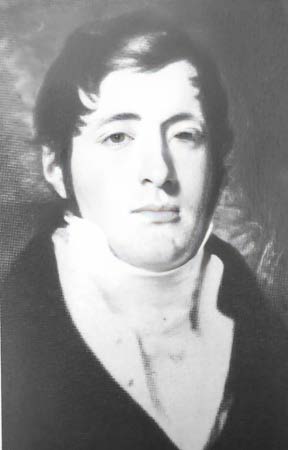
Sir Stamford Raffles
Courtesy: Passage of Indians 1923 - 2003 (P006)
Raffles laid the foundation for the development of Singapore. He conceived a town plan and set up a town committee to oversee the various projects that were to be implemented. He also drew up policies to make the Singapore harbour a free port. In 1822, Raffles instructed Lieutenant Philip Jackson to build a bridge across the Singapore River. Many such plans were formulated and implemented to develop Singapore as an attractive place for people to come and make a living9.
Chapter Two
“This chapter looks at the establishment of the Indian diaspora in Singapore and its early history.”
The Arrival of Indians in Singapore
When Raffles landed for the second time in May 1819, he brought Narayana Pillai, considered to be the first Indian to have come to Singapore. Many others from different parts of India followed him. It is assumed that Narayana Pillai had experience in the building industry, as he was brought primarily to start kilns to bake bricks. He is also said to be the first building contractor in Singapore and laid the foundation for the architectural landscape of early Singapore1.
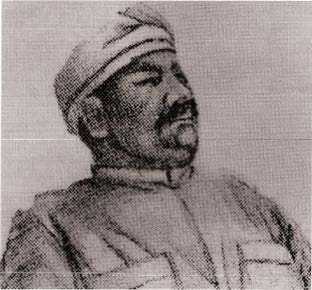
Narayana Pillai
Courtesy: Passage of Indians 1923 - 2003 (P006)
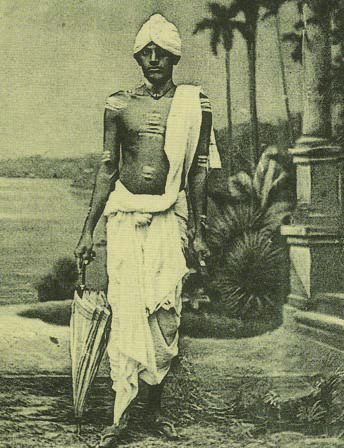
Indian trader
Courtesy: Passage of Indians 1923 - 2003 (P003)
As the British looked to develop their newly established port, many immigrants came to Singapore from China, India and other parts in search of a livelihood2. Among the early arrivals from India were sepoys, merchants and traders, labourers and others3.
Some Indians established themselves as traders, entrepreneurs dealing in moneylending, textiles, and selling spices. Others set up small scale businesses like sundry shops, flower shops, and food businesses, as well as those who set themselves up as craftsmen, goldsmiths, milkmen, washermen and barbers4.
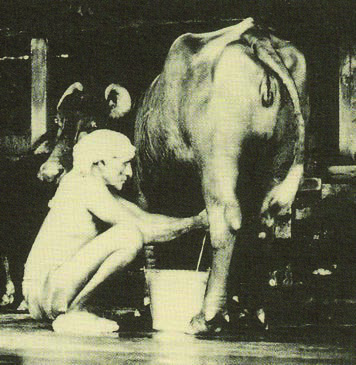
Indian milkman
Courtesy: Passage of Indians 1923 - 2003 (P023)
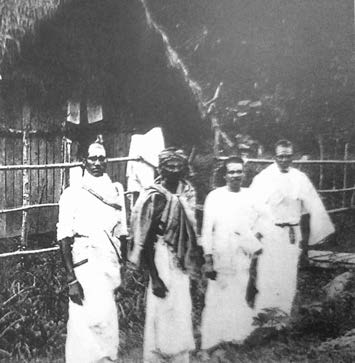
Indian washermen
Courtesy: Passage of Indians 1923 - 2003 (P023)
“Singapore progressed rapidly and within two years of its founding, the export and import of Singapore exceeded $8 million.”5 The proximity to Tamizhagam (Tamil Nadu) in India would have been a reason for the Tamils to have come here. In a young, developing country, there would obviously be many more opportunities for people to make money and the future of Singapore seemed very promising. Some of the Indians came on a temporary basis, planning to return to their homeland after earning enough, but others having seen the progress, stayed on permanently6.
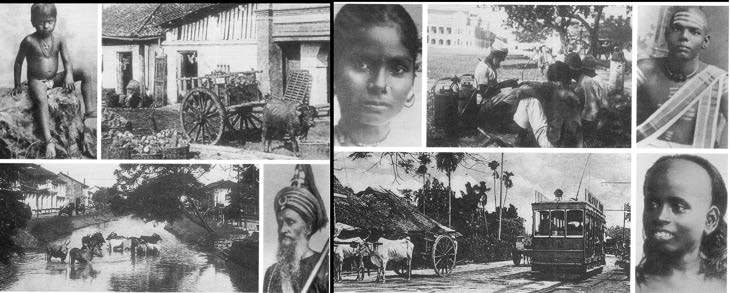
Photos of the late 1800s and early 1900s. Young Indian boy, nutmeg factory, buffaloes in Rochor Canal, Sikh soldier, Indian girl, Indian coffee hawker, Indian chitty, bullock cart and a trolley bus at Upper Serangoon Road, Indian boy. Courtesy: Passage of Indians 1923 - 2003
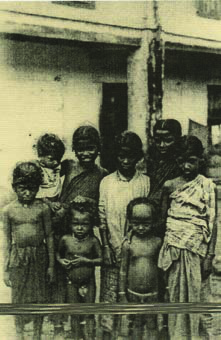
Early Indian family
Courtesy: Passage of Indians 1923 - 2003
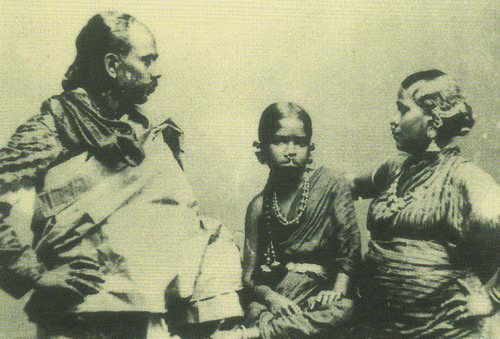
Indian family portrait
Courtesy: Passage of Indians 1923 - 2003
First Indian Settlement
The first Indian settlement was in Chinatown, along today’s Upper Cross Street. This was the reason Narayana Pillai chose to build the first Hindu Temple at South Bridge Road in 1827. Similarly, the Indian Muslim community settled in the Chinatown area built the Nagore Dargha in Telok Ayer Street between 1828 and 1830. However, there were earlier places of worship for the Indian Muslim community in Chinatown, such as Masjid Jamae (1826) and Al-Abrar Mosque (1827). These places of worship clearly indicate the sizeable population of the Indians in Chinatown then7.
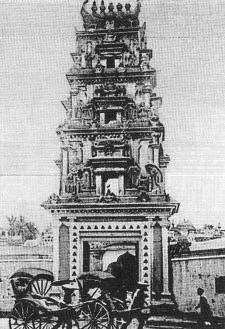
Early days
The first Hindu Temple - Sri Mariamman Temple
Courtesy: Public Domain / Creative Commons
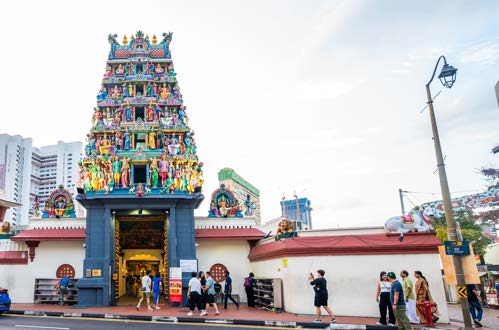
Now
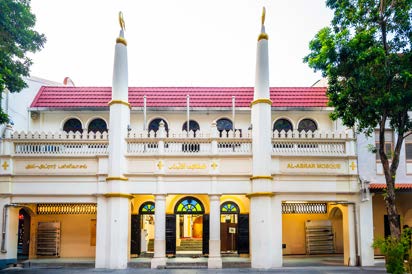
Al-Abrar Mosque
Courtesy: Passage of Indians 1923 - 2003 (P008)
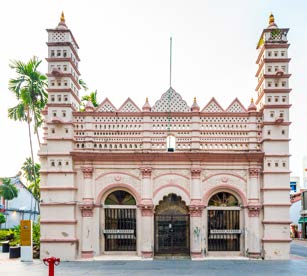
Nagore Dargha
Courtesy: Passage of Indians 1923 - 2003 (P008)
Since the beginning, Indian settlements have been within and around the city. The moneylenders, money changers and petty shopkeepers were located at Market Street, Chulia Street and Raffles Place. The large section of Gujarati, Sindhi and Sikh cloth merchants lived in the High Street area. Some Gujaratis, Muslim textile and jewellery merchants lived in the Arab Street area. There were also Tamil shopkeepers in Farrer Park and Serangoon Road. Many of the Tamil, Telugu and Malayalee migrants lived around the docks and railways8. Many took up jobs such as boatmen, quarry workers, office peons and others along the banks of the Singapore River9.
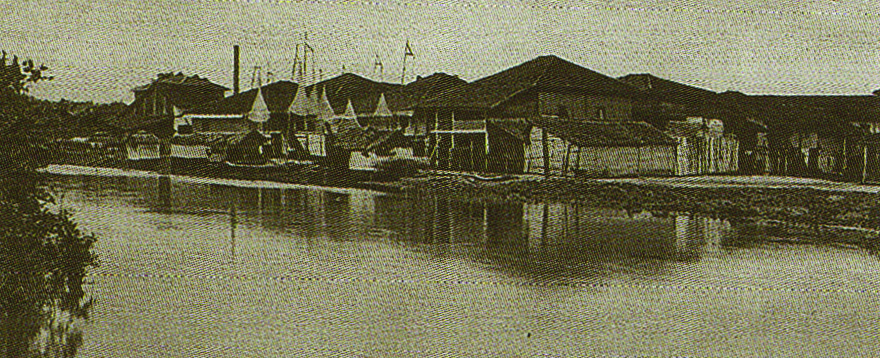
Along the banks of the Singapore River
Courtesy: Passage of Indians 1923 - 2003
The Raffles Town Plan had allocated areas for the various races. For the Arabs and Bugis, it was Kampong Glam, for the Temenggong and his followers, it was Pasir Panjang, which is present day Kampong Bahru, for the Chinese, who were expected to be in large numbers, it was at the Southeast of Singapore. And, for the Indians, it said as:
“advantage of allotting a separate division for the town class of Cholians up the Singapore River and this will of course be done with a due consideration of their expected numbers and necessity of their residence being in the vicinity of their place where their services are most likely called for”10.
10 Passage of Indians 1923 – 2003 (p. 8)
Over time another area took centre stage for the Indian community, Serangoon Road. It had plenty of water and grassland then, and was conducive for cultivation, which attracted a number of Indians to start their businesses
After 1900, as the Indian population started to overcrowd Chulia Street and High Street, more of them started to move to Serangoon Road. The last quarter of the 19th century saw many Indians settle in the Serangoon Road area12. New migrants, travelling over ten to fifteen days by ship from India, got off at Tanjong Pagar harbour and either took bullock carts or walked to Serangoon Road13.
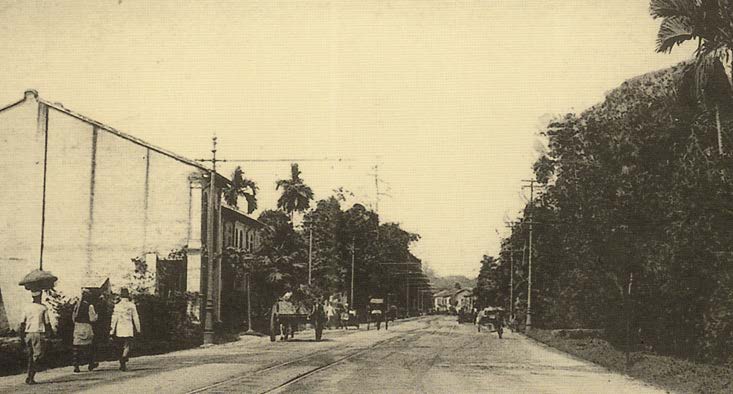
Serangoon Road in the early days
Courtesy: Passage of Indians 1923 - 2003 (P011)
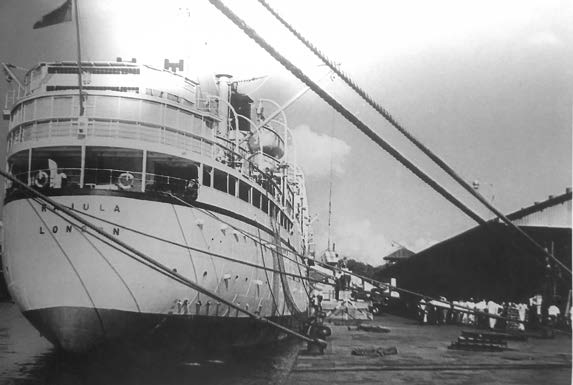
Ship at Tanjong Pagar Harbour
Courtesy: Passage of Indians 1923 - 2003
Chapter Three
“This chapter focuses on the origins of Serangoon Road and its geography in the early days of Singapore.”
History of Serangoon Road
In early 1820, Serangoon Road was planned. Lt. Philip Jackson was an officer in the Bengal Regiment Artillery and served as assistant engineer, executive officer and surveyor of public lands in Colonial Singapore. He was the first to mention it on his 1828 plan of Singapore as “The Road Leading Across the Island.”
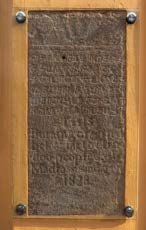
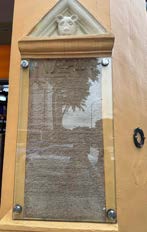
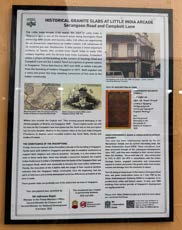
The stone slabs and the information board on the walls of the Little India Arcade
At that time, across the Straits, there were lucrative lumber and quarry businesses in Pulau Ubin (an island off Singapore) and Johor (one of the states in Malaysia). As the Serangoon harbour was developed to provide access to these businesses, the proposal recognised the need for a road between the settlements in the town and the harbour in the north1.
Serangoon Road connected two important inland waterways – Rochor River and Kallang River in the south, with Serangoon River and Serangoon harbour, “the most important northern port on the Johor Straits”2.
By 1836, Rochor Canal and Race Course Roads were built, and Jalan Besar, Lavender Street and Balestier Roads were partially constructed, giving the area the shape it still has today. The map of 1836 also shows a road existing in the current Buffalo Road area3.
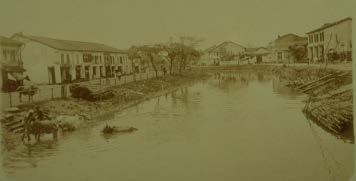
Rochor River flowing between Sungei Road and Rochor Canal Road.
Buffaloes seen bathing were kept by the local Indian Community.
Courtesy: Arshak C Galstaun Collection, National Archives Singapore
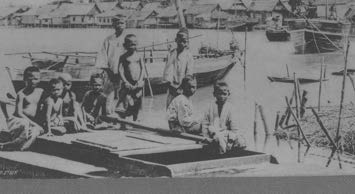
Kampong Kallang: Youths and children posing in front of
waterside houses of a Malay Village on the bank of Kallang River.
Courtesy: National Archives of Singapore
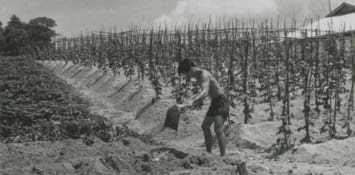
Cultivation at farm: A glimpse into the agricultural
practices of the early settlement era.
Courtesy: Primary Production Department, National Archives of Singapore
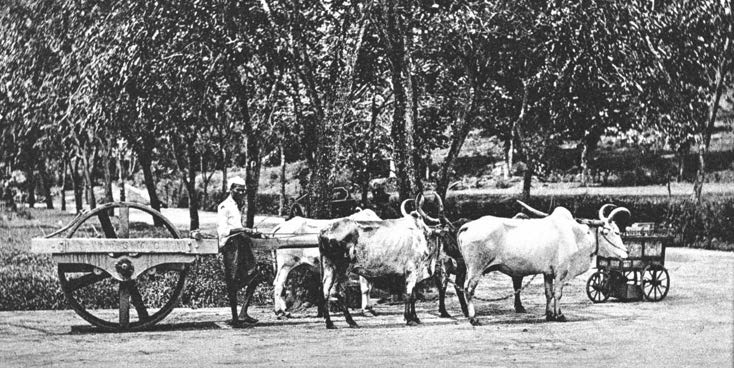
Road rolling by bullocks, Singapore. Courtesy: National Archives of Singapore
Agricultural Lands
‘Sirih Gardens’, noted in the maps of 1836 and 1844, mark out the areas on either side of Serangoon Road . In the areas of Lavender Street/Balestier Road, Jalan Besar, Race Course Road were vegetable gardens, a mangrove swamp and some rice fields. There were other plantations of sugarcane and coconut, as well as nutmeg, in the area. Cattle trading also became a major business that gave rise to many other related businesses4.
Singapore became a penal settlement when Bencoolen was transferred to the Dutch in 1824. This was when all Indian convicts were sent here. These Indian convicts came from diverse backgrounds and different parts of India, belonging to different castes and creeds. At one time, Bras Basah housed about 2,000 Indian convicts who were put to work to build Government buildings, such as St Andrew’s Cathedral in 1862 and the Istana in 1869 and who cleared the jungles and built roads. These convicts were also made to lay the Serangoon Road5.
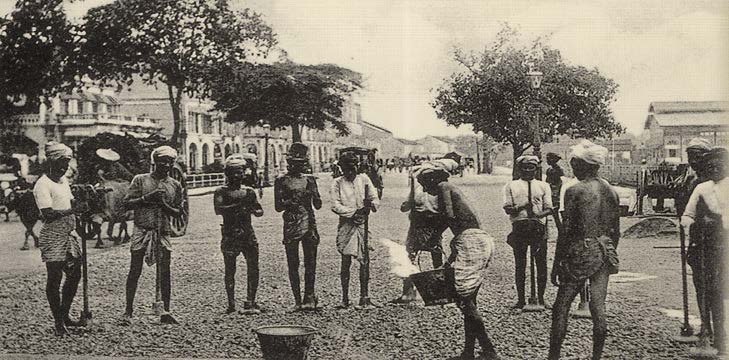
The convicts
Courtesy: Passage of Indians 1923 - 2003 (P026)
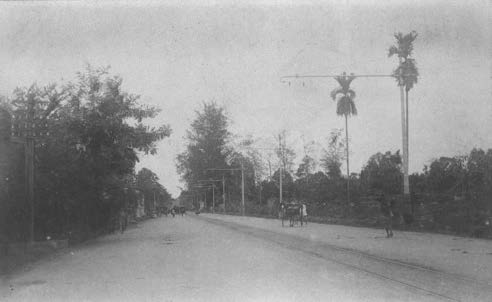
Serangoon Road in the 1900s
Courtesy: National Archives of Singapore
Origin of the Name
The origin of the name ‘Serangoon’ are uncertain. One possibility is the Malay word Ranggong, a small marsh bird which was common in that area. In some of the earlier maps, the name ‘Saranggong’ is seen.
Haji Sidek, an amateur etymologist with an interest in place names, raises another possibility, that the name ‘Serangoon’ may be from the Malay di-Serang dengan gong, meaning ‘to attack with gongs or drums’6.
It was earlier also known as Sonambu Kambam, or ‘village of lime’, in Tamil. Lime was used as an element in the manufacture of Madras chunam, a kind of cement used in the construction of buildings7.
Chapter Four
“What were the first trades and businesses in the Serangoon Road area? How did they evolve? What was their economic and social impact? This chapter looks to answer these questions.”
Serangoon Road Area - Early Businesses and their Transformation
Agriculture, brick making and cattle trading were the key businesses in the early days of Serangoon Road.
Brick making
In the 1820s, the British set up lime pits and the brickmaking kiln along the Serangoon Road area. Many Indians thronged the Serangoon Road area to take up jobs in brick making. Brick kiln businesses were discontinued in the 1860s1.
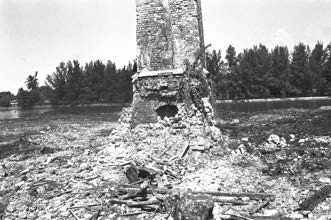
Kampong Bugis - close-up of old brick kiln along Kallang River, reminiscent of the brick making industry around the area
Courtesy: National Archives of Singapore
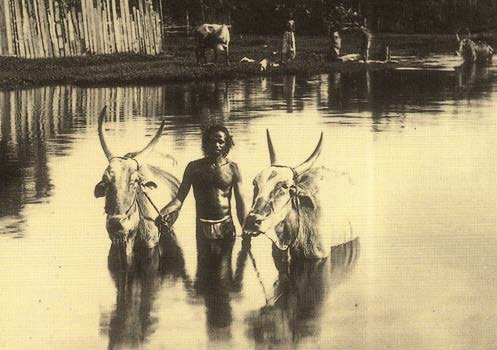
A cattle owner bathing his cattle in the Rochor River
Courtesy : Passage of Indians 1923 - 2003 (P011)
Cattle Farming
The ponds, mangrove swamps and the Rochor River provided water for bathing cattle and the area became well suited for cattle trading2.
This gave rise to other allied activities as cattle were a source of milk and meat products and were also used to drive wheat grinding machines. Very quickly cattle farming became a lucrative business among the Indians3.
Some became successful businessmen, like I. R. Belilios, a cattle trader, and Desker, who owned a slaughterhouse and butchery. Kader Sultan, (1863 -1937), a South Indian Muslim, came to be known as the ‘Cattle King of Serangoon Road’ and later amalgamated the Belilios Enterprises into his own in 1921, which then came to be known as ‘Belilios and Kader Sultan & Co’4.
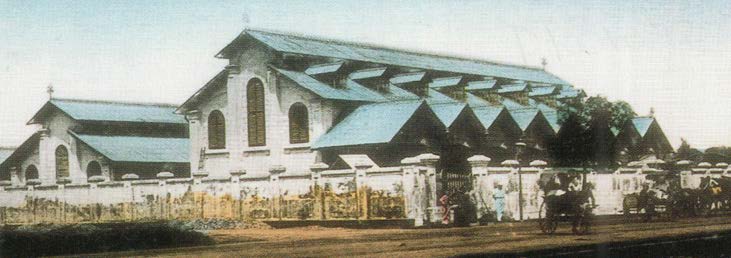
A government slaughter house at Jalan Besar
Courtesy : Passage of Indians 1923 - 2003 (P016)
Social Changes
Apart from contributing to the economy, the cattle trade brought in social changes to the area. Being dominated by Indians, the employers recruited workers from India, which paved the way for more Indians to settle in the area. For example, the cattle trader, Mr. I. R. Belilios, (1846 -1910), a Venetian Jew born in Calcutta, employed people from Bengal in India. The fact that the majority of the building plans submitted during the 1870s and 1880s were from Indian owners is further evidence of the rise in the number of Indians settling in the area5.
By 1880, the Indian population in Singapore had increased tremendously, with more and more Indian immigrants settling in the Serangoon Road area, which soon became an enclave for the Indian community in Singapore.
Transformation
The cattle trade had replaced agricultural activities in the area only to be replaced itself, as construction works gradually took over. Cattle farming was ceased in 1936 under a directive of the British Government, resulting in a ban on the import of cattle. The decline of the cattle trade resulted in the conversion of cattle stables into mixed use shophouses, and by the 1940s the area had become a community that was both commercial and residential, with a mixture of races, but predominantly Indians6.
Other Businesses
Some of the other large businesses in the area included the Serangoon Distilled Water Factory built in 1900 at Sungei Road and the Siong Lim Saw Mill and Company built in Syed Alwi Road in 1912. Between 1900 and 1950, many general merchants and commercial agents registered their businesses in the area and along with it more Indian businesses were started. The Chinese and Eurasians also had their businesses7.
In the twentieth century, this area also had smaller businesses, such as wheat grinding sheds, sesame oil presses, rattan works, rubber smoke houses and pineapple canning factories.
One of the first pineapple processing companies established in Race Course Road was by Adolph Landau and L.C. Joffie. Seah Liang Seah (1850 - 1925) owned another pineapple factory in this area. A sweet factory, manufacturing candies using imported sugarcane, was owned by Tan Teng Niah (1862 - 1925) at Kerbau Road.
There was an old cane factory in Rotan Lane. Most of the rattan that arrived during the colonial era was consolidated near Race Course Road. The rolls of the raw rattan were straightened and cut to various lengths.
During the 20th century, Bengali and Tamil milkmen went around the houses in Chander and Buffalo Roads with their cows and goats to deliver fresh milk. Hence the area continued to thrive with a wide variety of businesses.
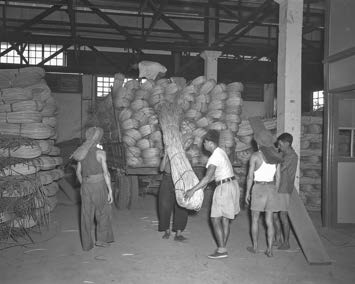
Workers unloading bundled rattan from a lorry at a factory.
Courtesy : Ministry of Information and the Arts Collection, National Archives of Singapore
Workers
In the 19th century, Kampong Kapor housed many Indian Muslims, many of whom were dock workers at Tanjong Pagar Port and some worked in the police force. In the early 20th century, many Indian migrants were employed by the municipality for public works8.
The Second World War and its Impact
When the Second World War broke out, many Indian businessmen left for their motherland, selling their businesses to their workers. In the 1950s the construction business came to an end, and in 1960s and 1970s, many Indians in the area moved either to Housing Development Board (HDB) flats or other housing estates. As a result, the Serangoon Road area became primarily a commercial hub9.
Chapter Five
“The living conditions and housing for Indians in Serangoon Road underwent a number of challenges and changes through the 20th century, and the area gradually became less residential and more commercial.”
Housing in the Early 20th Century
In the 1920s, there were terrace houses, known as Municipal Quarters, collectively built by the colonial government to accommodate the Public Works Department workers (known as Coolie Lines)1.
Although there was government housing, it was insufficient, and the workers had to rent rooms in the shophouses. Each person had only a very small space and some upper floors of the shophouses housed up to 10 -12 families.
To address the inadequate housing, coolies and peons were accommodated at Kampong Kapor and clerks at Kampong Java. In Kampong Kapor, 28 apartment blocks were built between Hindoo Road and Rowell Road which housed 4,000 workers. These blocks came under the Singapore Improvement Trust, established in 1927, that oversaw Singapore’s residential infrastructure2.
Many of the tenement houses of Kampong Kapor looked like slum dwellings. Due to fires in the area at that time, a need emerged to rebuild and renew a part of Serangoon Road. In 1911, a Government Gazette was passed to initiate the Kampong Kapor Improvement Scheme. The entire area had to be evacuated and many of the water dependent industries here came to an end. This area then became a site for commercial and retail development3.
Others
In the 1970s, about 60,000 residents lived in dark and unhygienic cubicles. Many of them were resettled in the Housing Development Board estates. In the late 1970s, the municipality quarters at Kampong Kapor Road, Veerasamy Road, Hindoo Road, Upper Perak Roads had started to be demolished4.
Shophouses
During the colonial era, Singapore’s pioneers built shop houses that showcased the diversity of the area and the inter-mixing of cultural influences. The lower floors were used for shops and the upper floors were used as residences. There were shophouses in the many roads of the Serangoon Road area, like Buffalo Road, Campbell Lane and Desker Road. From the 1840s to 1960s, the design of shophouses underwent many changes5.
Early Days
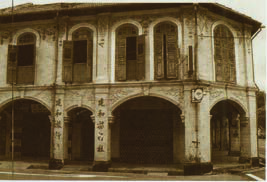
A Shophouse at Owen Road
Courtesy: Passage of Indians 1923 - 2003 (P07)
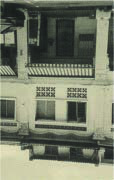
A Shophouse at Rowell Road
Courtesy: Passage of Indians 1923 - 2003 (P048)
Now
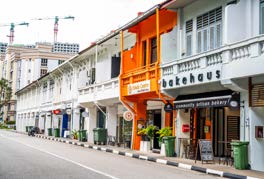
Shophouses in the Little India area
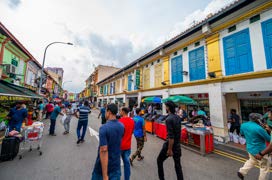
Shophouses in the Little India area
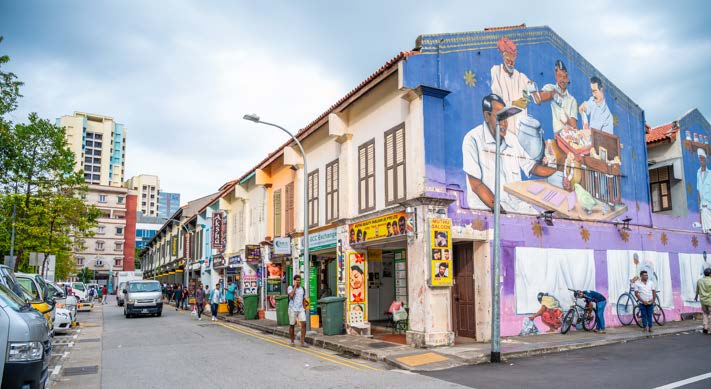
Shophouses in the Little India area
“Little India: Historic District (1995) notes that “the shophouse is one of the most significant building types in Singapore’s architectural heritage, reflecting much of the island’s history and development…it is the distinctive facades which are the most widely recognised feature of the shophouse.”6
Chapter Six
“Every sub-street and road in Serangoon Road has its own history, reflecting the trades, businesses, geography and people of the times. This chapter looks at the stories behind the names of the streets and roads in the area.”
Roads and their Acquired Names
Tekka is the heart of Little India. The pioneers of Singapore say that, in Hokkien dialect, Tekka means ‘bamboo’, and the place was so named as there used to be a lot of bamboo trees near Rochor River. As buffaloes were reared in Tekka and given to the cattle related businesses in the area, the Malays referred to it as Kandang Kerbau which means ‘cow house’. Buffalo Road and Kerbau Road acquired their names in similar fashion.
By the 1880s, though the area between Serangoon Road and Race Course had been developed, only Dunlop Street and Syed Alwi Roads were there between Serangoon Road and Jalan Besar.
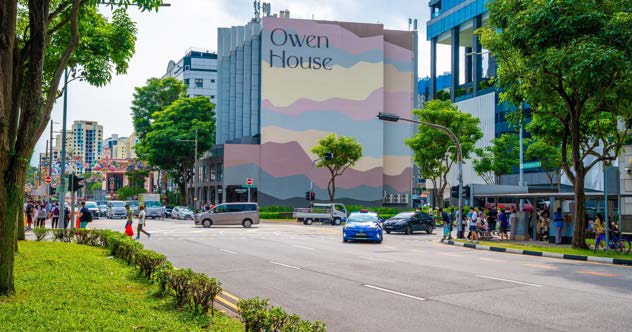
A road in the Little India area
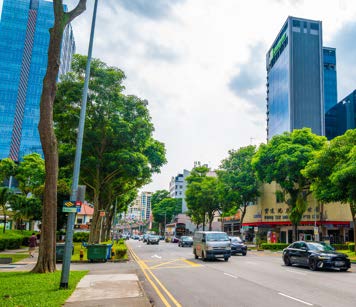
Nothing was built around the areas of Rochor River as it was a flood prone area. As more construction works continued, the Kampong Kapor swamp was drained and Rowell, Syed Alwi, Kampong Kapor, Lembu, Baboo, Upper Perak and Desker Roads came into sight for further development1.
The roads in and around the Serangoon Road area were principally named after the British military officers in India and Straits settlements2.
Cuff Road, Desker Road, Dunlop Street, Norris Road, Rappa Terrace and Rowell Road were named after bungalow owners. Birch Road, Campbell Lane, Clive Street, Dalhousie Lane, Dickson Road, Hastings Road, Kitchener Road, Owen Road, Weld Road and Upper Weld Road were named after British governors and officials. Ong Sam Leong Road and Verdun Road commemorate World War I3.
The following section on roads in Little India is compiled from two main sources: Singapore Street Names (2023)4 and the Little India Heritage Information Boards in Serangoon Road5.
Veerasamy Road
Originally it was known as Inche Lane, and later as Jalan Tambah, when Kampong Kapor Road was made a public road in 1910. In 1927, Municipal Commissioner Dr K. Kiramathypathy suggested that this road be named after Dr N. Veerasamy, who was born in 1864. Apart from a long medical career, the latter had been involved in a number of community organisations, serving in the Municipal Board for 11 years, being the President of the Hindu Advisory Board, a Member of the Indian Association and Straits Settlement Association. His house, which stood in Veerasamy Road, was a large building with running water and electricity, uncommon at the time.
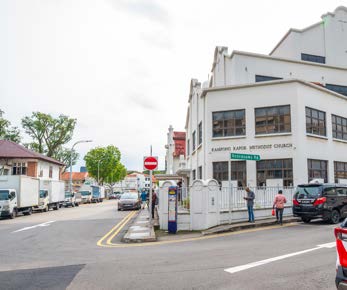
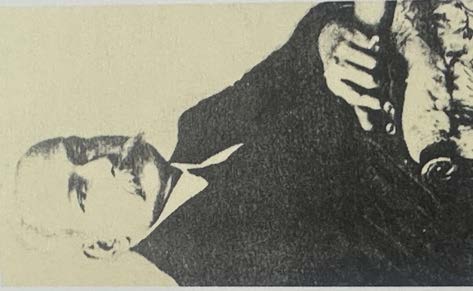
Dr N. Veerasamy.
Courtesy: Passage of Indians 1923 - 2003 (P070)
Norris Road
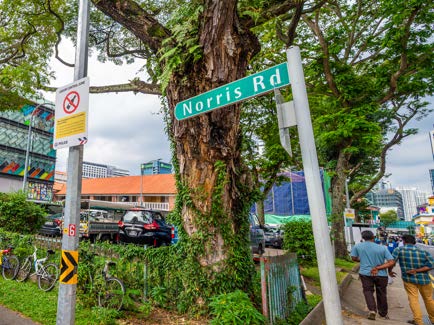
Norris Road got its name from the sons of an East India Company officer, Richard Owen, who died in 1905, and his brother, George Norris. The brothers formerly had an estate, and this road ran through it. The municipality constructed the road on the front part of the estate in the 1890s and at the request of the landowners, the road was named Norris Road.
Race Course Road
The present road was laid in the mid 1870s. The first Race Course Road (1840s - 1890s) is Kerbau Road today, and gave direct access from Serangoon Road to what is now Race Course Road. Before World War II, the race course and the areas between Race Course Road and Serangoon Road were prone to floods. In the 1930s, during such floods small wooden boats were a common sight.
Early Days
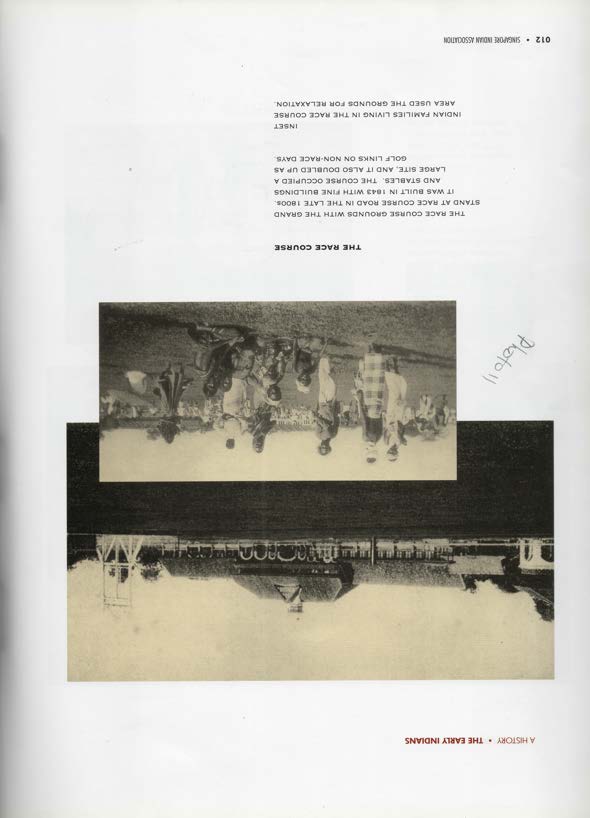
Indian families living in the Race Course Road
Courtesy: Passage of Indians 1923 - 2003 (P012)
The Grandstand

Race Course grounds with the grandstand in the late 1800s.
Courtesy: Passage of Indians 1923 - 2003 (P012)
Farrer Park
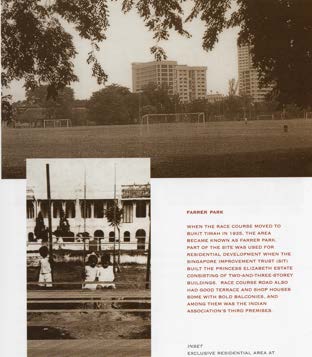
The Race Course moved to Bukit Timah in 1935. This area then came to be known as Farrer Park
Courtesy: Passage of Indians 1923 - 2003 (P099)
Farrer Park Estate
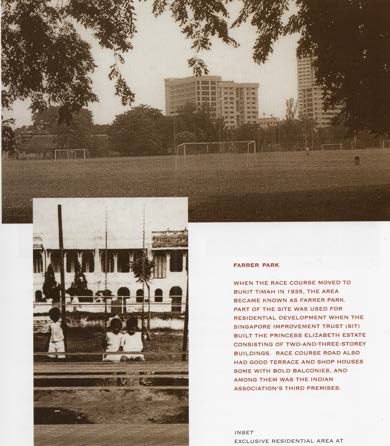
Exclusive residential area at Farrer Park, part of the Princess Elizabeth Estate
Courtesy: Passage of Indians 1923 - 2003 (P099)
Horse racing was very popular with the European Colonial Community. The Turf Club opened in 1842 in Race Course Road and remained there until 1935. The Race Course also served as a rifle range, a polo field and a golf course. The old racecourse acted as a runway for flights, before becoming more of a sports venue, for sport activities such as golf and football.
The site of the old racecourse was renamed Farrer Park in 1935 after Roland John Farrer (1873 -1956), who was President of the Municipal Commissioners from 1919 to 1931. After World War II, Farrer Park was a venue for election rallies. Between 1971 and 1973, the headquarters of the National Sports Promotion Board, Sports House, was located at this site. Now, housing blocks are part of Farrer Park while Farrer Park Primary School stands on the site where Farrer Park Stadium once stood.
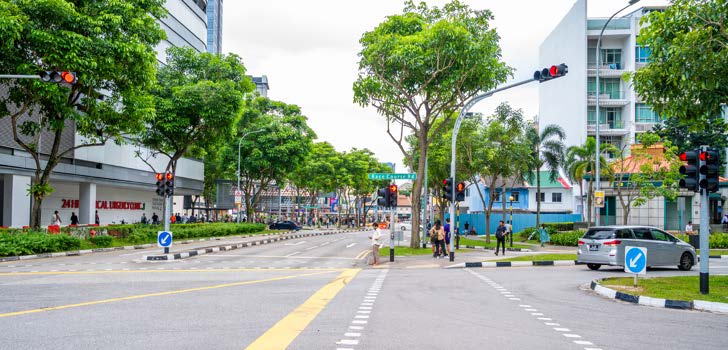
Race Course Road today
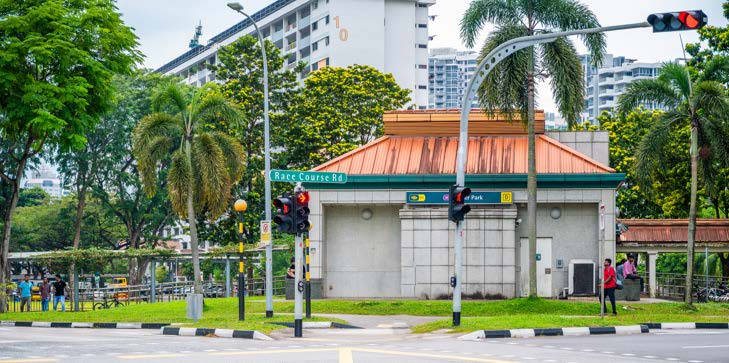
Race Course Road today, near Farrer Park MRT
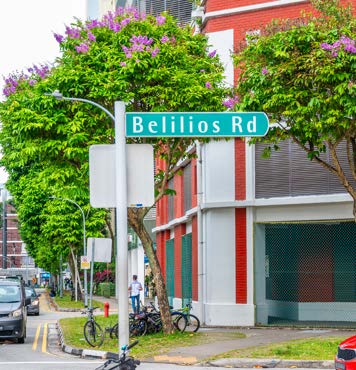
Belilios Road
As mentioned earlier, a Venetian Jew, Mr. I. R. Belilios, ran a prominent cattle trading business and dealt with the imports of horses and cattle fodder on a large scale. He also had sheep pens and cattle sheds in the Serangoon area. This road is named after him.
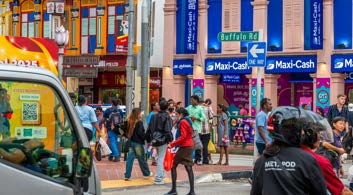
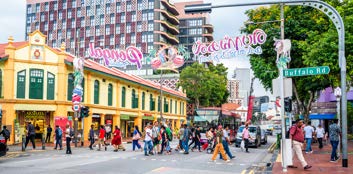
Buffalo Road
It is one of the oldest roads, featured on the earliest maps of Singapore, dated 1836. Since the earlier years of Singapore, there were cattle and buffaloes in this area, hence the name.
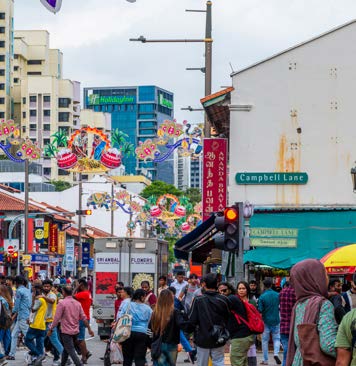
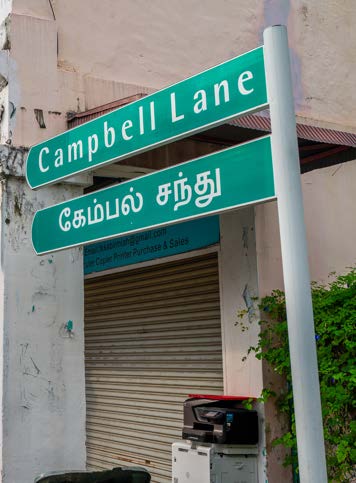
Campbell Lane
Campbell Lane’s name has been attributed to two possibilities: Robert Campbell, a British manager of a mercantile company and Sir Colin Campbell, a Scottish field marshal.
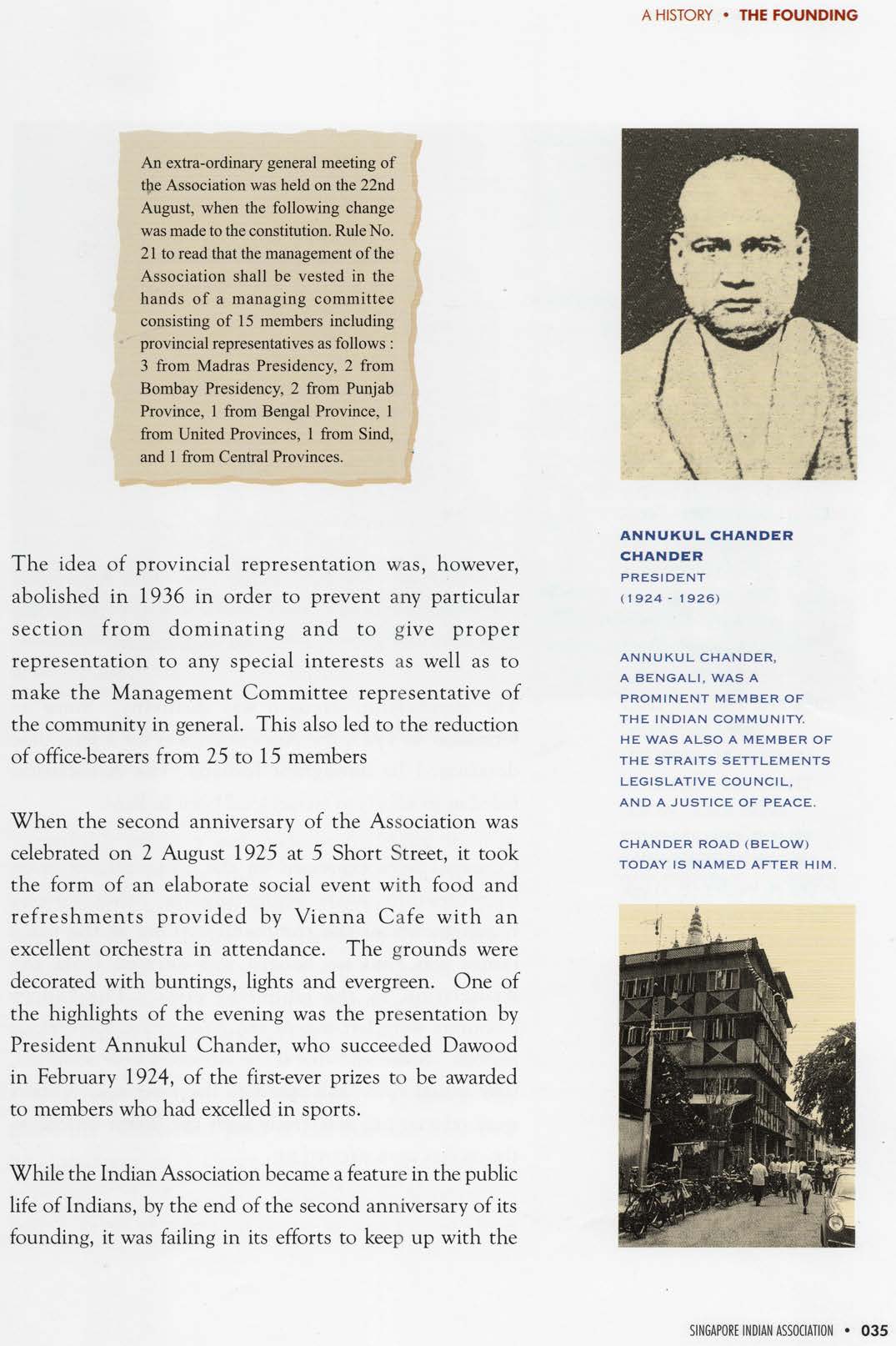
Anukul Chander, after whom Chander Road is named
Courtesy: Passage of Indians 1923 - 2003 (P035)
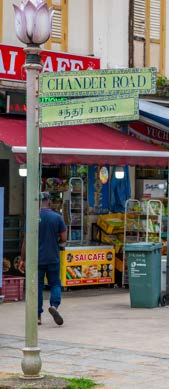
Chander Road
Chander Road is named after Anukul Chander, who served as an Indian Municipal Commissioner between 1922 and 1934. He was a Justice of Peace and also served as the President of the Singapore Indian Association.
Clive Street
Clive Street is named after Lord Robert Clive, the first British Governor of the Bengal Presidency in India, who began his career as a writer and agent for the East India Company.
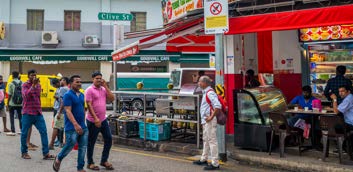
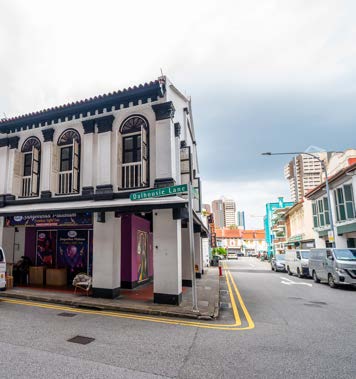
Dalhousie Lane
Marquess of Dalhousie was the Governor General of India from 1848 to 1856. He paid two visits to Singapore, and this street is named after him.
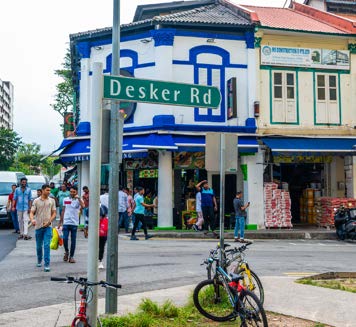
Desker Road
Andre Filipe Desker (1826 -1898), a Eurasian, was one of the first butchers in Singapore. He was born in Malacca and the family business was located between Veerasamy Road and Norris Road.
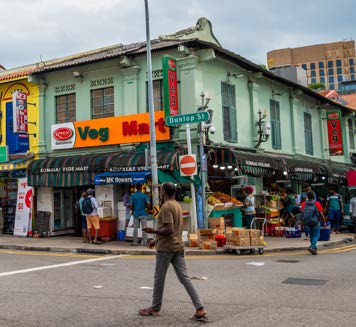
Dunlop Street
Originally, it was called ‘Rangasamy Road’ and was re-named after Colonel Samuel Dunlop, who was the Inspector General of Police in the Straits Settlements for nearly fifteen years. There is also another opinion, that this road was named after A. E. Dunlop, one of the Colony’s distinguished citizens in the 1840s. He had served as the Secretary and an active member of the Race Course Committee in the Serangoon area.
Hindoo Road
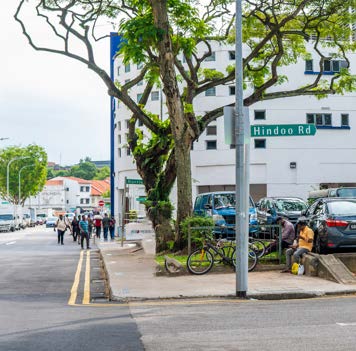
Hindoo Road was known as Hindu Lane in 1906. During the 1930s, the Indians working for the municipality lived in this area, where a whole house could be rented for $10 to $15 a month. As a result of the distinctive character of the Indian workers, the road was named Hindoo Road.
Lembu Road
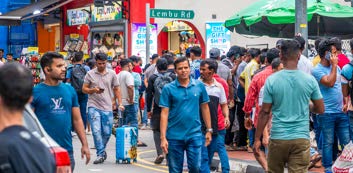
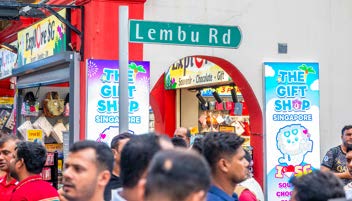
This road between Desker Road and Syed Alwi Road housed cows and buffaloes (Lembu in Malay) for many decades.
Owen Road
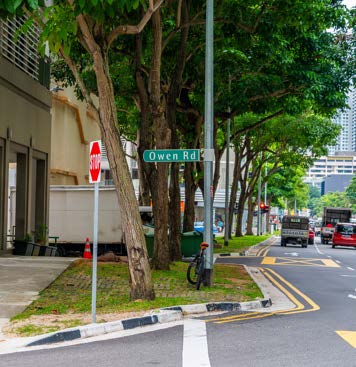
Owen Road is named after G. P. Owen, who was the Secretary of the Cricket Club from 1887 and the Racing Secretary of the Singapore Sporting Club (now Turf Club). He was an avid sportsman, who showed interest in polo, cricket, golf and shooting.
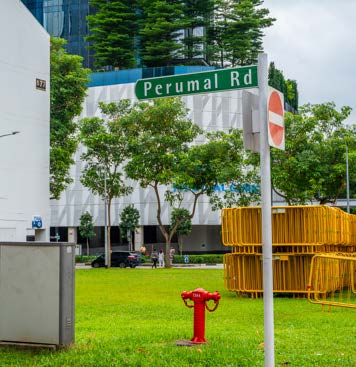
Perumal Road
This road was officially named in 1934. It is located near the Sri Srinivasa Perumal Temple, one of the oldest and most significant Hindu temples in Singapore.
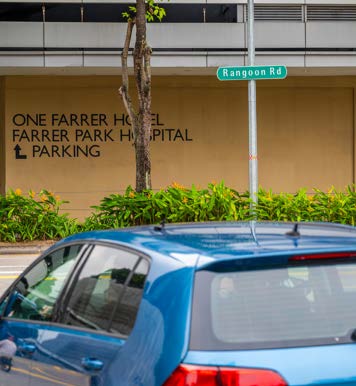
Rangoon Road
This road is named after the administrative capital of Burma (now Myanmar).
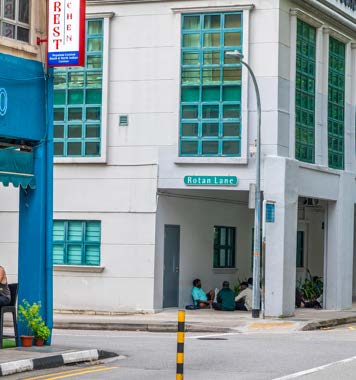
Rotan Lane
The area around Rotan Lane, Belilios Road and Lane, and Kerbau Road were known as Kampong Ratan. There was a cane (rotan in Malay) factory off nearby Chander Road.
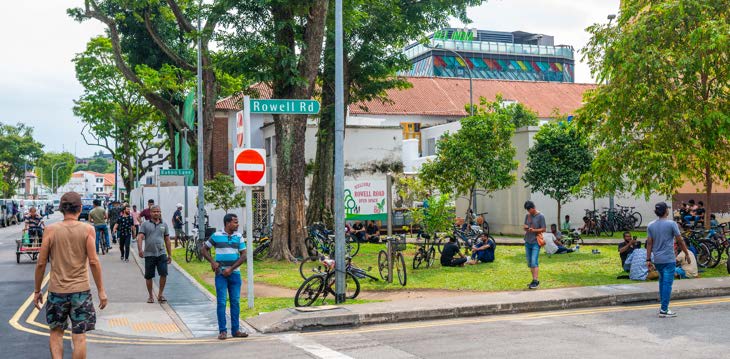
Rowell Road
Dr Thomas Irvine Rowell was acting Colonial Surgeon in 1868, the Registrar of Births and Deaths in 1881, and President of the Municipality in 1888. He also owned some land in the area, hence, the road is named after him.
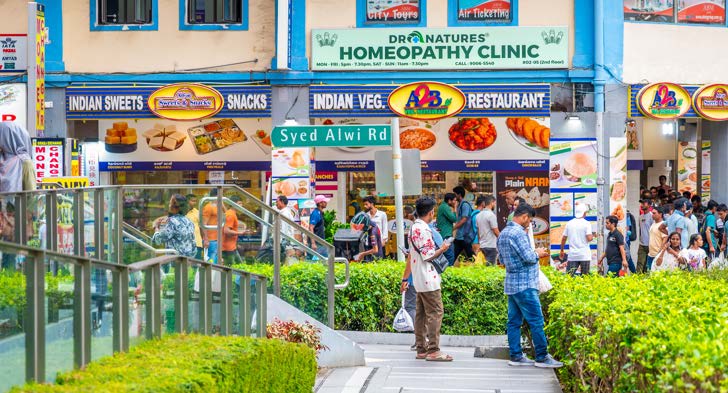
Syed Alwi Road
It was first known as Syed Allie Road. Syed Mohammed bin Harun Al Junied, an Arab merchant, came from Palembang. His son, Syed Allie, carried on his father’s business and also donated to the community’s welfare. He helped in the construction of Weld Road and Jalan Besar at his expense.
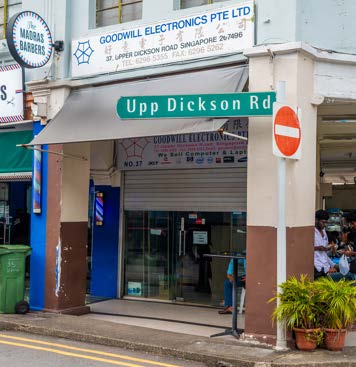
Upper Dickson Road
This road was known by different names such as Hewetson Road and Dunman Street, before being named after Sir John F. Dickson (1835 – 1891), a British colonial administrator.
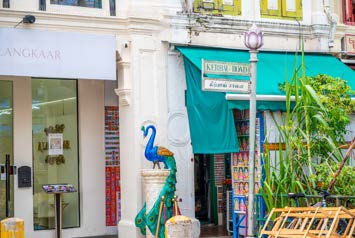
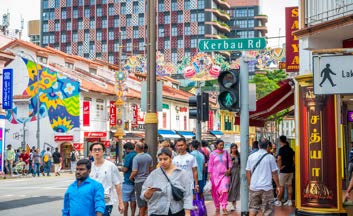
Kerbau Road
As buffaloes were reared in the Tekka area and given to the cattle related businesses nearby, the Malays referred to it as Kandang Kerbau, meaning ‘cow house’. Kerbau Road acquired its name in similar fashion.
Hastings Road
Hastings Road is one of the roads in the area named after British governors and officials, alongside Birch Road, Campbell Lane, Clive Street, Dalhousie Lane, Dickson Road, Kitchener Road, Owen Road, Weld Road and Upper Weld Road.
Chapter Seven
“The social life of people in the Serangoon Road area then was very much different from what it is now. It was more of a kampong, or village life. People had a rich cultural experience; food and entertainment were abundantly available. The infrastructure was basic but accommodated the residents. This section will give an insight into the social life of the people then.”
People of the area
Mr Samikannu was born in Singapore in 1948 and lived with his family in the Serangoon Road area. His father, Thiru Chithambaram, was an assistant to the land surveyors. He says that there were kaaliaatgal (‘first generation’ in Tamil) living in the shophouses of Buffalo Road and Veerasamy Road. Some of them had brought their sons from India to study here. Others were second or third generation who lived with their families. Most of the Tamil families lived in Cuff Road, Upper Dickson Road, Kerbau Road, Buffalo Road and Norris Road. He adds that there were some people who subscribed to the ideologies of the Dravidian Movement in India and were greatly influenced by the ideas of Thiru E. V. Periyar, a Tamil leader of that movement.
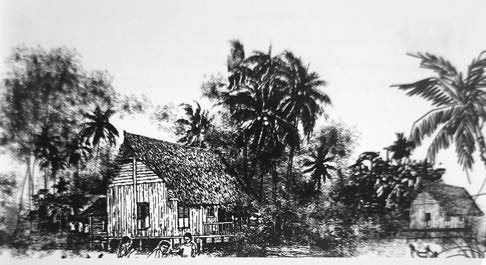
A Portrait of Kampong house
People of Prominence
There were a number of notable people who made a name for themselves in business or in their community work. Two such people are highlighted here.
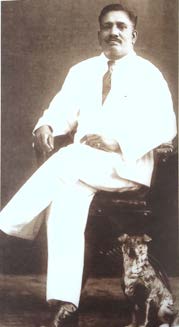
O. Ramasamy Nadar
Courtesy: Passage of Indians 1923 - 2003
O. Ramasamy Nadar1
O. Ramasamy Nadar, from Sivagangai District in Tamil Nadu, came to Singapore in 1908. He had multiple businesses that ranged from selling alcohol, trading in spices and rice, owning rubber estates in Malaysia to leasing businesses. His hard work earned him great wealth and he was one of the leading tax payers within the Tamil community of the time. He drove a Rolls Royce, a reflection of his wealth. He had a keen interest in helping the Tamils achieve prosperity. In line with that, he donated his shophouse to the Tamizhar Seerthirutha Sangam. His contribution during the Japanese War was remarkable. In recognition of his deeds, he was made a Justice of Peace. He is the son-in-law of the founder of the Thinathanthi daily newspaper.
P. Govindasamy Pillai2
P Govindasamy Pillai, usually referred to within the Indian community as PGP, was a notable businessman and a philanthropist. He established the PGP Departmental Stores in Campbell Lane. He donated generously for the reconstruction of the Sri Srinivasa Perumal Temple. He was a founder member of the Indian Chamber of Commerce, one of the founders of Ramakrishna Mission and he was appointed as the Justice of Peace in 1939.
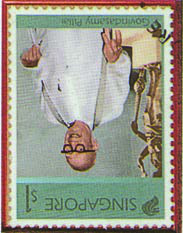
Featured in a Singapore stamp
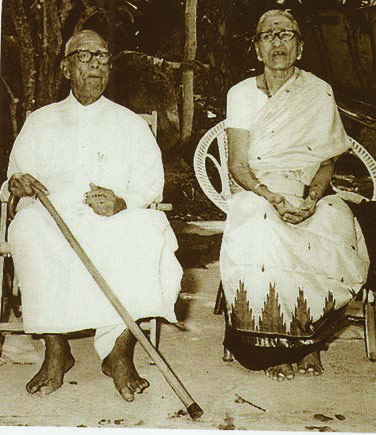
With wife Pakiriammal
Kampong Village Life
According to Lakshmi Naidu, in an interview with National Archives3, the social structure then was very patriarchal, as generally the menfolk went to work and their wives stayed at home to look after the families. People did not have to go to the markets as vegetables, fruits and even fish were brought to their homes by sellers carrying big baskets of supplies.
She adds that, in the early years, people who lived in Hindoo Road and Rowell Road reared cows and had bullock carts, which was then a feature of kampong village life.
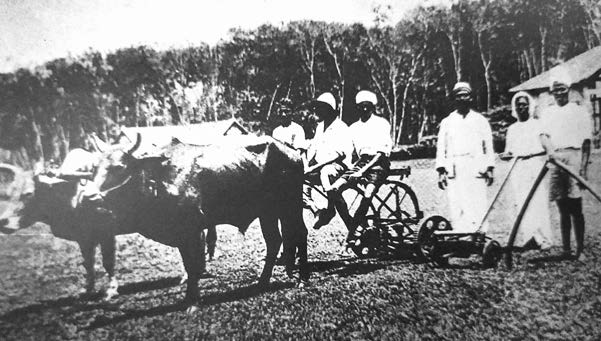
A bullock cart and some men
Courtesy: Passage of Indians 1923 - 2003
Modes of Transport
In the 1950s, Serangoon Road was a two-lane road. Thiru Samikannu says that there were trams that ran from Serangoon Road to the city and other places. The charges were very minimal, approximately five cents for students and twenty cents for adults. There were horse carriages; rickshaws called ‘betchas’, in which one person cycled and two people were passengers; and trishaws, a three wheeled cycle with a carriage attached. There were cow carriage taxis which people hired for loading and unloading of their goods. There were also cars and taxis, which were expensive compared to the other form of transports.
Bullock cart for goods
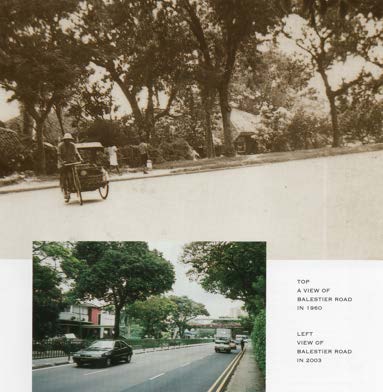
The trishaw mode
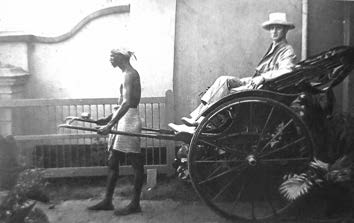
Rickshaw puller and passenger
Infrastructure
The infrastructure was in a very rudimentary state in those days. Thaathaa Suppiah in his autobiography, “The Unseen Hand”4, says that tap water was not common and almost every house had a well, or two houses shared one. In the evenings, lamp lighters came with ladders to light the street lamps which were put off the following morning at 6.30 a.m.
Mr Samikannu says that the Rochor Canal was polluted in those days. Apart from the main roads, water used to get stagnated when it rained, as the drainage was poor and at times people slipped and fell. The stagnant water was a breeding ground for mosquitoes and flies. Workers from the City Council came to spray chemicals to control the spread of pests.
Strong Cultural Practices
In the autobiography of Thaathaa Suppiah5, he mentions that when he was around five years old in 1907, he was enrolled in a Tamil school at Dunlop Street. Strong cultural practices were instilled in the children. They were seated in a row on the floor, in front of a Hindu God Lord Vinayagar, made of turmeric. It was placed with fruits and flowers in a heap of paddy.
He recalled celebrating the Hindu festivals like Pathinettampadi Perukku and Maharnonbu in praise of Lord Siva in August and Navarathri in October. The students decorated the chariot that carried the images of the Goddess Saraswathy. The children and the elders pulled the chariot with a thick rope, from Tekka through Dunlop Street and Kerbau Road, ending at Kampong Java Road. The teachers sang hymns to Lord Ganapathy and Goddess Saraswathy. The students bathed in the river. Children were taught kolattam, an ancient form of dance with sticks. Though away in a foreign land, the Indian culture was instilled right from childhood.
Festivals
Serangoon Road was filled with a festive air during the major festivals of Pongal and Deepavali. Mr. Samikannu says that the Tamil associations observed Pongal and Tiru Sarangapani’s Tamilar Tirunal was organised throughout Singapore and also in Serangoon Road. Movie songs and songs in praise of Dravidian Movement were broadcasted. During Deepavali, Serangoon Road bustled with people purchasing or stitching clothes and buying meat and vegetables. They also bought sweets, snacks and the ingredients to make them for distribution and exchange among family and friends.
In the 1920s, the festival of Holi was a public holiday. Mr Brij Mohan Singh says that people celebrated Deepavali, Holi, Navarathri (celebrated during the month of October for nine days), Ramnavami (birth of Lord Ram), Krishna Janmashtami (birth of Lord Krishna), Shivrathri (in honour of Lord Siva) and other festivals. He recalls Dunlop Street turning into a sea of colours during the Holi festival.
Habits of People
Mr. Samikannu says that chewing tobacco, sniffing nose powder, smoking beedi (a kind of cigarette) and smoking cigarettes were a very common habit of people then. They also chewed beetle leaves and spat on the roads and pavements, leaving a red stain. There were shops like Somu Vetrilai Mandi and Subramaniam Podi Kadai and others selling these. In Cuff Road, there was a Suruttu company in which polo mark and pazha mark brands were sold. Many people worked there either on daily rated or on part-time basis.
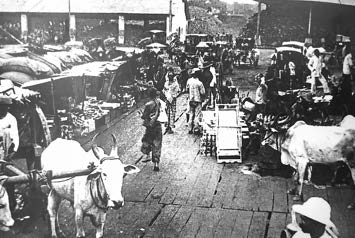
A market place
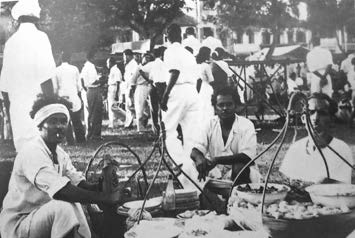
A cooked food hawker
Movable Stalls
Mr Samikannu further says that people bought fresh milk from men who brought along the cows to their houses. Bread sandwiches and rolls were sold by North Indians, who came on three wheeled bicycles, and similarly there were people who made fresh mee goreng (a type of noodle) and others. There were also Chinese who had these kind of roadside food businesses.
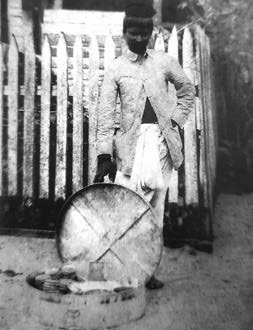
Food hawker
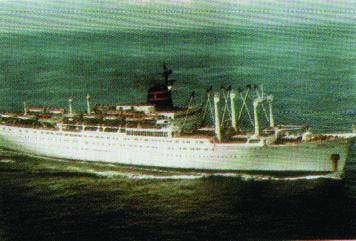
Chidambaram Ship
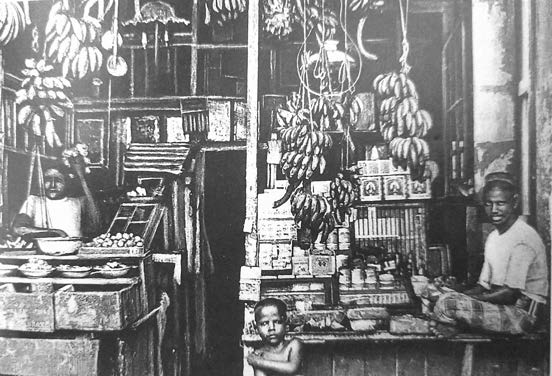
An ottu kadai
Sundry Shops
Mr. Rajakumar, owner of Jothi Store and Flower Shop, says that ships were the predominant mode of overseas transport. Ships like Rajula brought the Indians here. Supplies for daily needs, toiletries and home needs were brought in by the workers of the ships.
Mr Samikannu says there were ottu kadaikal, (‘small shops’ in Tamil) fitted in the space of the five-foot pathways. These were a sort of convenience store selling a variety of items, ranging from magazines, cigarettes, toothpaste, brushes, pens, pencils, paper, chocolates, buns and bread. Columbia House sold gramophones and music records. He says that the shops in the Serangoon Road area that were dealing with provisions and groceries, and the small shops selling dosas opened up at 6 a.m.
Other Facilities
At Rex Cinemas, Tamil movies starring M. G. Ramachandran, Sivaji Ganesan, Banumathi, Nagesh and Gemini Ganesan, all well-known South Indian cinema stars of the day, were screened. There were laundry shops and flour mills in the area then. Lily Dispensary, in Serangoon Road opposite Sri Veeramakaliamman Temple, run by Dr Menon, was a popular maternity hospital.
Post Office and Hospital
The pioneers of the community say that the Kandang Kerbau Police Station stood at the corner of Serangoon Road and the post office was located where Little India MRT Station is now. In between these were the government stores, civil supplies, the lunatic asylum, the old Kandang Kerbau Hospital and Government Dispensary. Rumah Miskin Police Station at the junction of Balestier Road and Lavender Street, and a leper hospital for female patients6 were European contributions to the area.
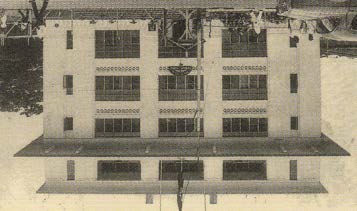
Kandang Kerbau Police Station
Courtesy: Passage of Indians 1923 - 2003 (P016)
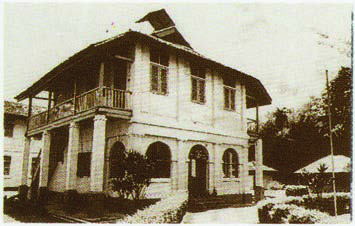
Rumah Miskin Police Station
Courtesy: Passage of Indians 1923 - 2003 (P112)
Magazines and Newspapers around Serangoon Road
Mr. Samikannu remembers magazines and newspapers like Kalkandu, Tamil Murasu, Tamil Nesan, and Tamil Malar that were available in Kalaimagal Nool Nilayam and Tiruvalluvar Nool Nilayam, in which they also sold Anandha Vikatan, Ambulimama and Kumudam, all well-known Tamil language publications. Selegie Road is where Indian Press was located, and closer to that was Star Press, where Tamil Murasu was printed. Tamil Malar was printed at Race Course Road. Kerala Badhu was printed in Chander Road.
Ramakrishna Mission
Ramakrishna Mission Singapore was started in 1928, with an aim to raise literacy level amongst poor Tamils living in the Serangoon area. It ran night classes, a young men’s cultural union, religious classes and discourses for the public. The mission started two schools - the Vivekananda Tamil School in 1932 and the Sarada Devi Tamil School in 1938. The Sarada Devi Tamil School was a government-aided school and had Indian Christian girls and also adopted Chinese girls. Both schools were closed down in 1981. In 1983, the mission premises in Norris Road was sold and it moved to its current location at Bartley Road7.
North Indian Presence
Thakur Mangal Singh
Mr. Brij Mohan Singh, born in Singapore in 1952, says that his great-grandfather, Thakur Mangal Singh came to Singapore from a village, Apauna, in the district of Kanpur, Uttar Pradesh in India, in the 1860s and lived in 73 Dunlop Street, running a milk business and a pineapple factory. His family was known as the pioneer North Indian family in Singapore. Thakur Mangal Singh was a Zamindar and a revered leader of the North Indian community in Singapore. He also served on the Hindu Advisory Board.
Dr Chotta Singh
Mr Mohan’s grand-uncle, Dr Chotta Singh (son of Thakur Mangal Singh), was born in Singapore in 1889 and studied medicine in King Edward VII College of Medicine in Singapore. Although a doctor by profession, he was also an accomplished musician who devoted his time to the promotion of Indian music and culture.
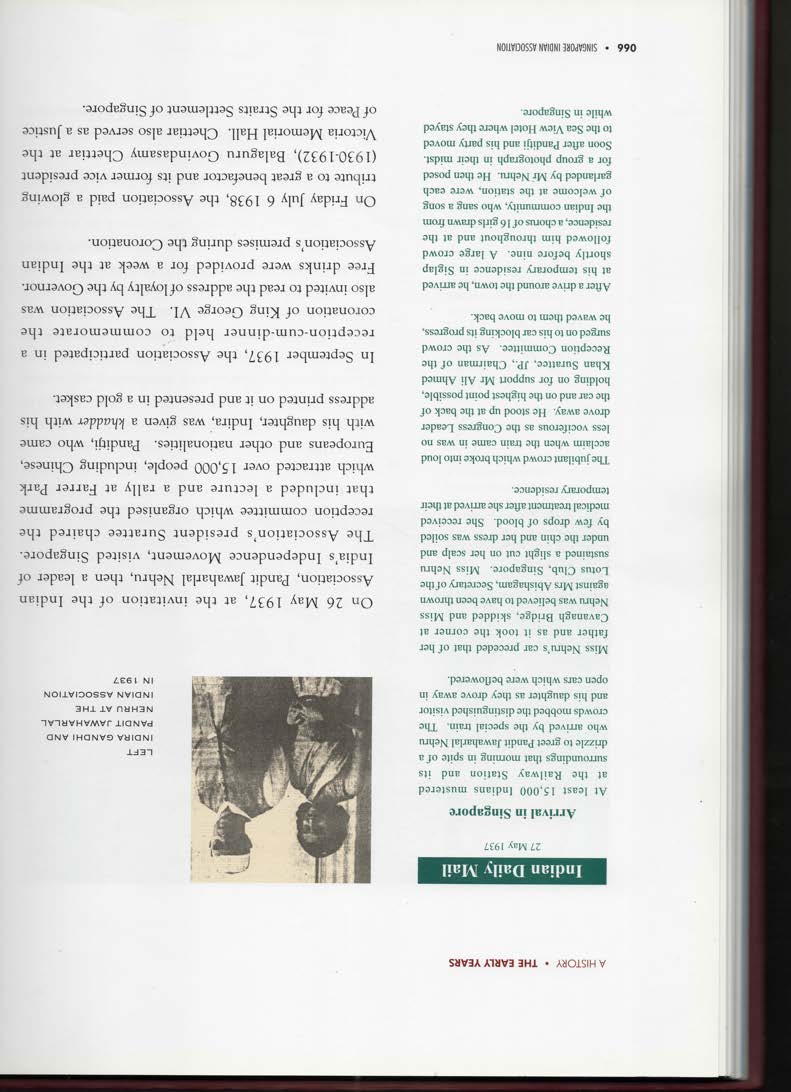
Smt Indira Gandhi and Mr Jawaharlal Nehru at the Indian Association in 1937.
Courtesy: Passage of Indians 1923 - 2003
The First Indian Orchestra
Dr Chotta Singh started the first Indian orchestra, the Ramakrishna Mission Orchestra, in 1939, which then became known as Ramakrishna Sangeetha Sabha in 1952.
Singapore North Indian Hindu Association
Singapore North Indian Hindu Association, also known as Bharti Bhavan, was started in Thakur Mangal Singh’s Dunlop Street house in 1921. Its first President was Shri Baboo Ram Singh. It was previously known as the North Indian Hindu Funeral Association, and was primarily started to help with the cremation and funeral matters of North Indian Hindu destitutes who died here. When Jawaharlal Nehru, the first Prime Minister of India, visited in the 1930s, the name was changed upon his advice. It continues to function today as a small temple and society at 47 Cuff Road.
Mangal Singh Ki Gali
In those days, Dunlop Street was known among the North Indian community as Mangal Singh Ki Gali, which in Hindi meant ‘the lane belonging to Mangal Singh’. The letters from North India to those living in Dunlop Street were addressed to Mangal Singh Ki Gali.
North Indian Families in the Serangoon Road area
There were many North Indian families living in and around the Serangoon Road area. Some lived in Chander Road, large numbers lived in Dunlop Street and Buffalo Road and one of the pioneers of the community, Ram Raj Tiwari, and his family lived in 40 Birch Road. The family of Kanta Rai lived in 42 Rowell Road. The Gupta family lived in 11 Lembu Road, and other families lived in Syed Alwi Road, Serangoon Road and Klang Lane.
Others
North Indian men whose families were in India lived in 118, 138, 140 and 142 Dunlop Street and 73 Buffalo Road. They were mostly bus conductors, security personnel and clerks. They embraced communal living, where they had common toilet facilities and kitchens, and shared in the cooking of chapathis, dhal, rice and other food. Kandang Kerbau Hospital employed a good number of North Indians, both men and women, some of whom lived in the hospital quarters.
Chapter Eight
“Serangoon Road, over time, has become the heart of what is now Little India, a commercial, cultural and religious hub for the Indian community in Singapore.”
Little India and Serangoon Road Today - An Overview
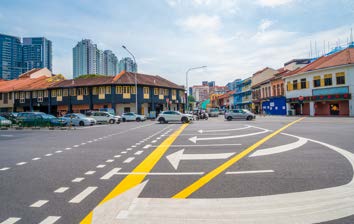
Today, Serangoon Road is an important hub of the Little India area, running from the junction of Bukit Timah/ Sungei Road to the junction of Balestier Road/Lavender Road. The parallel streets of Race Course Road and Jalan Besar complete its outermost boundaries. The stretch of Serangoon Road which runs between Selegie Road and Balestier Road is commonly known as the heart of Little India.
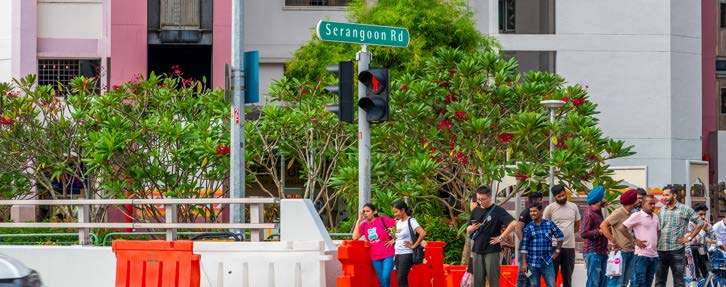
Serangoon Road
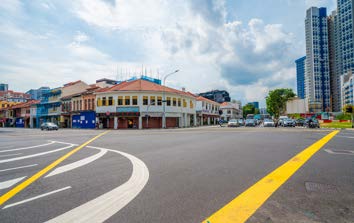
Bukit Timah / Sungei Road Junction
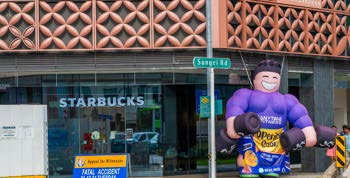
Sungei Road
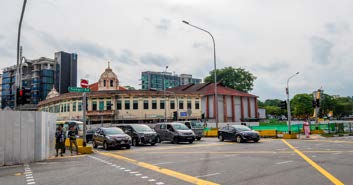
Lavender / Balestier Road Junction
Little India - A Commercial Centre
Little India is the commercial, cultural and religious hub for the Indian community in Singapore, with a variety of stores, art centres and temples catering to the needs of the Indian population, and it contributes to the fabric of the multi-racial landscape of Singapore.
Little India bustles with sights, sounds and smells of all things Indian. There are Indian restaurants, beauty parlours and salons, traditional ayurvedic medical clinics run by Indian doctors, grocery stores, textile merchants, money changers, electronics stores, tailor shops, flower shops, newspapers and magazines stores, wedding services, antique shops, mobile accessories, maid recruiting agencies, pawnshops - the list keeps going on. The frequent import of goods and services from India brings in the necessary products to Singapore and gives people easy access to them.
While there are Indian shops all over Singapore, Little India is by default a one-stop centre for all Indian items. It gives a sense of security to the Indian culture in a country of diversity. Hence, ‘Little India’ has become an integral part of the lives of Singapore Indians.
Until the 1970s-80s, the area was called ‘Serangoon’, named after Serangoon Road, one of the earliest roads in the area. In 1979 - 80, the Singapore Tourist Promotion Board (STPB), now Singapore Tourism Board, referred to the area as Little India, which is what it is known as today.
In 2022, Little India was named as the 19th Coolest Precinct out of 51 in the world by British travel magazine ‘Time Out’. According to an article in that magazine:
“Old-school shophouses and heritage sites mark this neighbourhood as one of our little red dot’s most cherished areas. This is all despite hard-hitting cultural changes and the inevitable modern rework, but Little India is one of the neighbourhoods that’s retained its quaint charm over the decades”.
Little India is well connected to the rest of Singapore by a network of bus routes and four nearer MRT stations – Little India, Farrer Park, Rochor and Jalan Besar. These make it easy for people to access and attract a large number of people from all walks of life.
Little India was gazetted a conservation area on 7 July 1989.
Chapter Nine
“Commerce is core to Little India’s energy and bustle, with a proliferation of provision stores, restaurants, flower shops and other businesses.”
Little India – Commercial and Cultural Hub of Indians
Some businesses in Little India have been owned by the families for generations, some are long time single owners, while others are newly established.
Little India- A Commercial Centre
Little India - A Commercial Centre
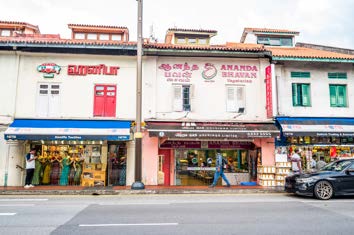
Ananda Bhavan in Serangoon Road
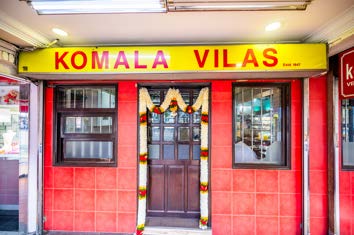
Komala Vilas in Serangoon Road
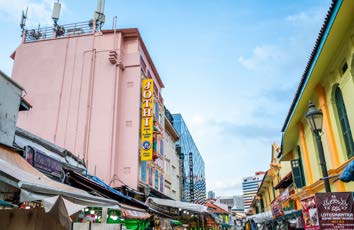
Jothi Store & Flower Shop in Campbell Lane
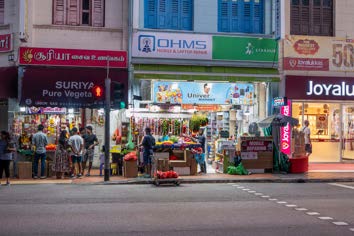
Dunlop Street
Others
Some of the other establishments that have been there for decades include Azmi Restaurant that sells chapatis situated at the Norris Road, Gokul Restaurant and Madras New Woodlands located at Upper Dickson Road, GMT Jewellers, Gooday Beautie Parlour and Ghanesh Textiles, operating in Serangoon Road. Ishtara Jewellery in Serangoon Road, that has been operating for 35 years, is among the leading jewellery stores.
Some popular stores which had been there for many years, but have now closed down are Nachiappa Brothers, started in the 1950s in Serangoon Road, which sold televisions and radios until 1989; Arasu Emporium located in Kerbau Road; Sithi Vinayagar Company, a saree shop in Serangoon Road; Saradha Stores in Serangoon Road and V. K. Kalyanasundram & Sons Pte Ltd in Serangoon Road, among others. Batu Pahat Goldsmith, established in 1969 and situated in Buffalo Road, was a popular store that was in operation for many years.
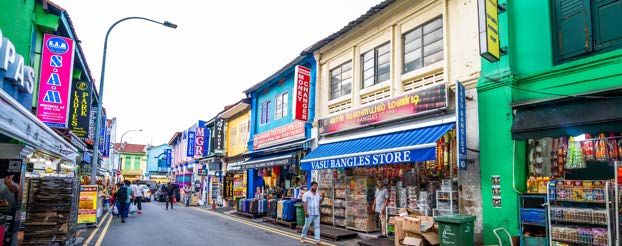
Vasu Bangles Store
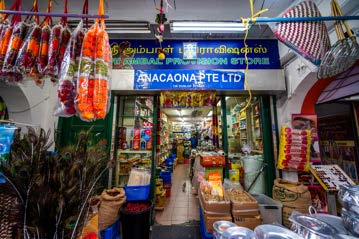
Ani Mani Porchalai
Newer Businesses
The major difference in the type of businesses now, compared to four decades ago, is the number of gadget shops that have spread across the area selling handphones, accessories and computer related products. One of the famous gadget shops in the area is Naranjan, located on Race Course Road.
Challenges
The demand for a variety of products among the many sections of people led to the opening of more businesses. Those who could manage with the higher rentals, manpower and overhead costs continue to exist. Although the businesses could manage with the initial setting up, they still need to grapple with a number of issues to sustain, to remain relevant, meet the customers’ changing demands, staying innovative and keeping abreast with the computerisation of business and technology.
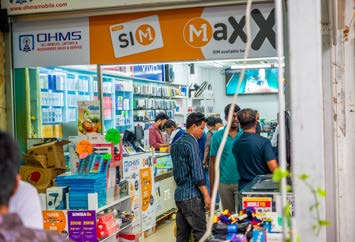
In the Little India area
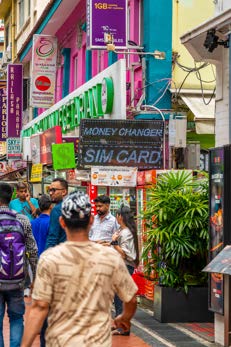
In the Little India area
Mr. Subbiah Ramu, Director of Ani Mani Porchalai Pte Ltd, which was started in 1948 and now has two outlets in the Serangoon Road, says, “some fifty years ago, there were only around ten jewellery shops in this area. Now there are over a hundred. So obviously it has become very competitive. The same goes with all the other businesses like groceries, food, textiles, flower shops and the new emerging electronic businesses. So businesses have to keep introducing incentives to retain their customers.”
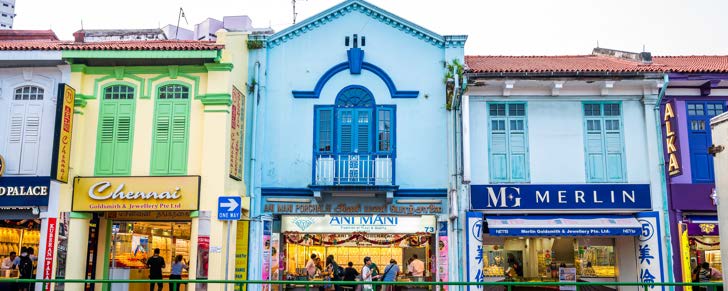
In the Little India area
Provision Stores
Mr Kasinathan Ezhilan, a second-generation businessman, owner of Selvi Stores, finds getting manpower most challenging, as stores require people to carry and arrange the goods in the shelves; take orders for home delivery; pack and deliver. They usually need about 15 people in the store. In spite of the challenges, he says, “we are competitive, as our customer profile is over three generations – grandmothers, mothers and daughters. The shop’s proximity to the Little India MRT station makes it convenient.”
Mr. Kartik Alagappan, also a second-generation owner, says that his father the late Sri V. R. Alagappan, started his business in Little India in the 1990s. Now the family owns multiple businesses: Saravana Stores, Taste of India Restaurant, Sangeetha Bhavan Restaurant, Bangalore Iyengar Bakery, Saravana Stores Trading, Saravana Distributors, Saravana Food and more. He agrees that there is high competition in doing business as more shops proliferate.
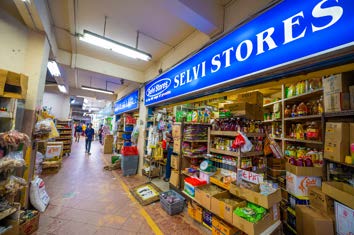
Selvi Stores in Buffalo Road
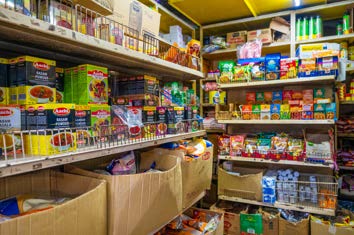
Selvi Stores in Buffalo Road
M. Ummal Faziriya w/o Mohamed Maideen, owner of Rasool Shop, says that in today’s digitalised landscape, advertising and marketing have made a significant transformation. She says, “We have witnessed firsthand the impact of digital marketing on our customer engagement and sales.”
There is a history of small provision businesses in the area as well. Mr. Brij Mohan Singh’s father had businesses in 98 Serangoon Road since the 1930s, trading as Baboo Brahma Singh till 1973. The name of the shop was changed to B. Brahma Singh and Sons after the demise of Mr. Mohan’s father in 1973.
There were other provision shops run by Ram Darash Singh at 246 Serangoon Road and Ramdass Prasad’s Provision Shop at 239 Serangoon Road. Ram Ji Tiwari had a provision shop at 219 Serangoon Road, and K.S. Tiwari brothers had their shop at 68 Race Course Road. The other notable provision shops in the early days were Kalaimagal Provision Stores and Namasivayam Brothers.
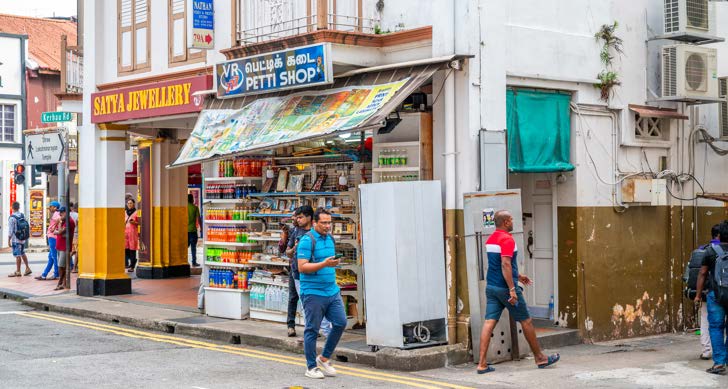
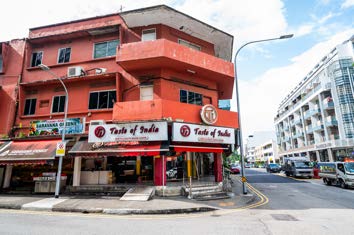
Rasool Shop
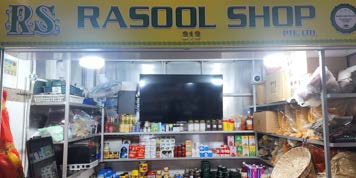
Rasool Shop
Rasool Shop
Rasool Shop
In Serangoon Road
In Kitchener Road
Restaurants
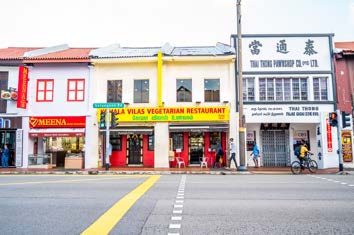
Mr. Rajakumar Gunasekaran, the owner of Komala Vilas Restaurant, says that compared to his grandfather Mr Rajoo’s time, the competition has increased. He says that his customers are both locals and tourists. For the Indian tourists, Little India would offer them good authentic food, as restaurants in Little India take the place of home away from home for them.
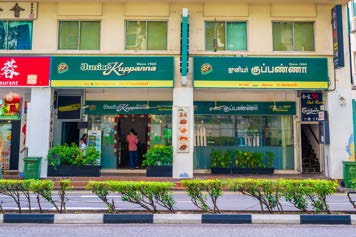
Mr Prakash, owner of Junior Kuppanna Restaurant, says that his business was impacted after COVID. Before COVID, there were more dine-in customers. While dining in, customers tended to order more, which boosted business. After COVID, people are comfortable with ordering online or take away. According to Mr Prakash, dining-in has reduced from three to one visit a month on an average, now.
Ram Suchit ran a restaurant at 96 Serangoon Road. Mr Ramchander Singh and family, who lived at 144 Dunlop Street, sold milk and lassi.
Established Restaurants in Race Course Road
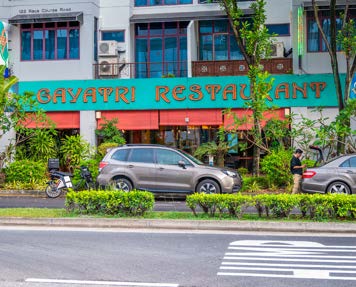
Gayatri Restaurant
Established in 1996 on Chander Road, is now functioning from 122 Race Course Road. With a steadfast commitment to serving delicious, high-quality Indian cuisine, one can experience an authentic banana leaf food here. They serve vegetarian and non-vegetarian food.
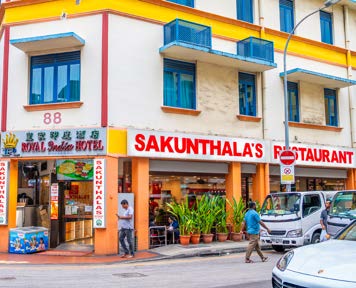
Sakunthala’s Restaurant
Halal certified, started in 1997 and is well known for its fusion cuisine of South Indian, North Indian and Chinese dishes. From their humble beginnings at their Dickson Food Garden & Dunlop outlet, now they have become an integral part of Singapore’s eateries and food industry.
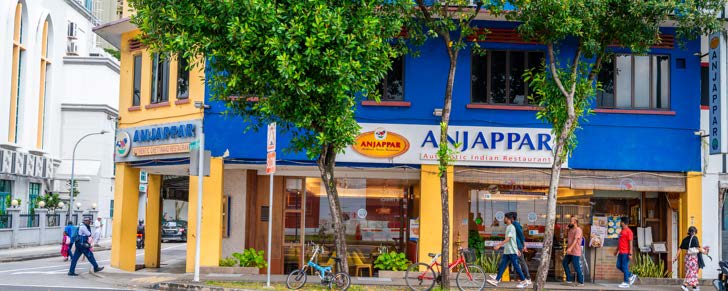
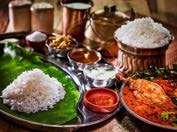
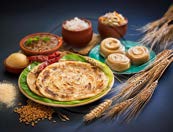
Anjappar
Anjappar Restaurant serves both vegetarian and non-vegetarian Chettinad specialties. Its fresh approach towards the Chettinad style of cooking has made it widely popular in the places that it had been established. From crispy dosas, fluffy idlis, signature biriyanis, to succulent chicken, mutton and fish delicacies, the menu is a testament to the region’s culinary heritage. Anjappar in Singapore has been in operation for 20 years.
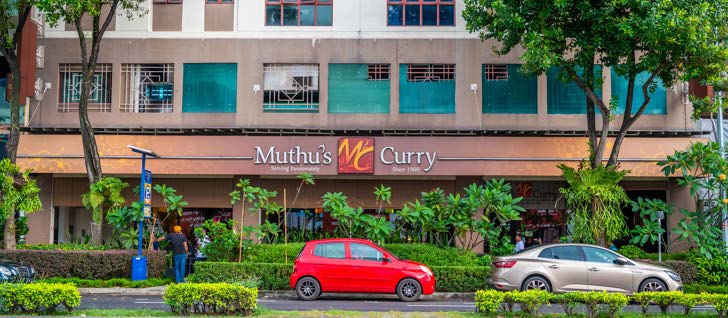
Muthu’s Curry
Located at Race Course Road, this establishment is famous for its fish head curry and is very popular with Chinese customers. Mr. Kasivishvanaath A., the owner of Muthu’s Curry, attributes the success of the restaurant to his late father, Ayyakkannu’s, innovative idea to cater to all races other than South Indians. In 1969, there were only a handful of restaurants that served fish curry. At that time, Ayyakkannu came up with his own idea of an exclusive recipe which would appeal to the Chinese. When this idea came to fruition, it was well received by all Singaporeans and tourists. For the past 56 years, Muthu’s Curry has been serving its award winning fish head curry to its customers, of which 75 per cent are Chinese.
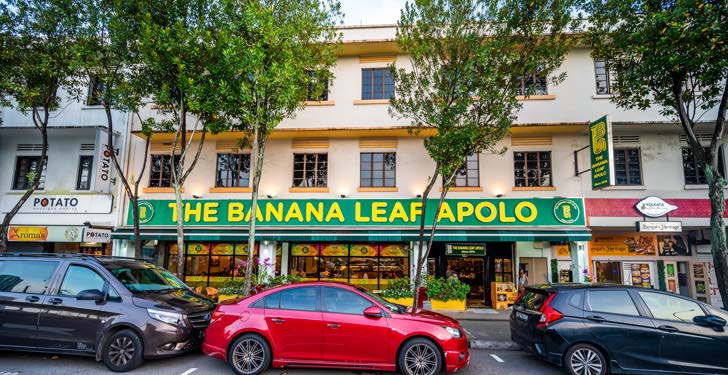
The Banana Leaf Apolo
Started by Mr. Chellappan in 1974. They serve food on fresh banana leaves.
Major Malls & Department Stores
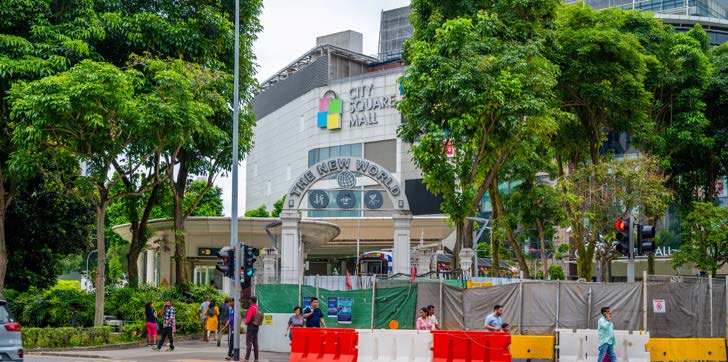
City Square Mall
Located at the junction of Serangoon and Kitchener Roads, seated on the site of New World Park. It features over 200 tenants including Uniqlo, NTUC FairPrice, and others.
Mohamed Mustafa & Samsuddin Co Pte Ltd
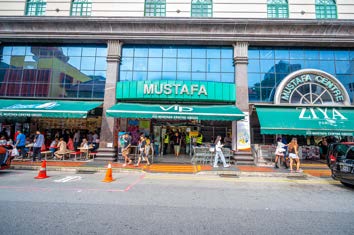
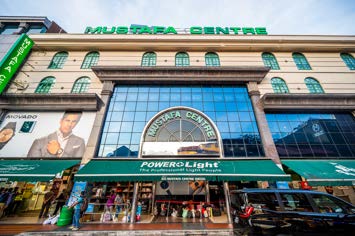
Mohamed Mustafa & Samsuddin Co Pte Ltd had its humble beginning at Campbell Lane in 1971, selling readymade garments, growing impressively over time, and now selling more than 300,000 products. In 1973, a space was rented along Serangoon Road and electronic items were added to the range of its products. Having scrutinized the customer’s needs, the shop gradually added more products and kept extending the space. In 1985, the business rented a space of 40,000 square feet on the ground floor of Serangoon Plaza. Since then, Mustafa has become a household name.
Mr Mustaq Ahmad bought some old shop houses along Syed Alwi Road, around the corner of Serangoon Plaza, and in April 1995 Mustafa Centre was opened. Over weekends, an estimate of 15,000 customers of all nationalities shop at these stores. Today, the store covers over an area of 400,000 square feet within a six storey building along Syed Alwi Road. Money exchange, remittance, air travel and tours, and jewellery are part of their businesses. Tourists come from India, Pakistan, Bangladesh, Sri Lanka, the Middle East, other parts of Asia, to name a few.
Jothi Store & Flower Shop
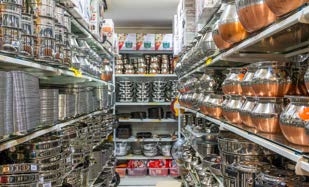
Jothi Stores & Flower Shop was started by Murugaia Ramachandra in 1960 as a small shop selling basic household items. In 1961, he started a flower shop at the corner of Campbell Lane. It grew into a big enterprise, where generations of Singaporeans have been coming to purchase items for all their home functions and festivities.
In 1981, Jothi Stores moved to its present location at 1 Campbell Lane, selling household items, religious products and decorative items. They further expanded in 1992 to cater to the need of the large Indian expatriate community. The range of products increased from flowers, household utensils and appliances, prayer items, to cosmetics and ayurvedic medicines. Mr. Rajakumar says, “We did not fail to innovate and bring in new ideas. One example is the environmentally friendly camphor that we introduced that is well received by our customers.”
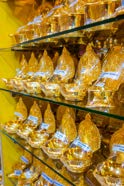
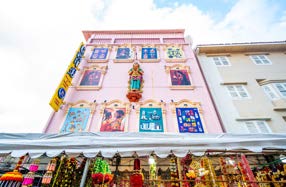
Jothi Stores sell over 10,000 products now. They are exclusive when it comes to the repair of cookers, grinders and mixers. When asked about the strategy for his successful business, Mr. Rajakumar says that him being on the ground is the key to his success. When people come in search of a particular product, he enquires about its significance and sources for it through his offices in Mumbai, Delhi and Chennai and brings that product here.
During the COVID period, his stores brought in an ayurvedic drink that contains 27 herbs. It was very well received. He further says that their products are majority from India, while his customer base is 60% Indians and 40% non-Indians.
Haniffa Textiles
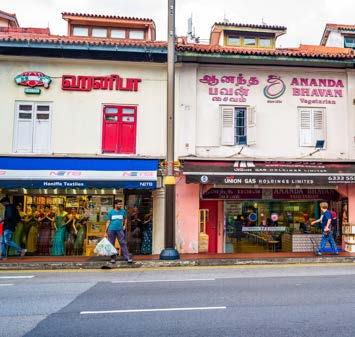
Haniffa Textiles was started the year 1961 by Mr O K Mohammed Haniffa. It has two outlets, one at 118 Dunlop Street and another at 60 Serangoon Road. The business initially sold textiles, but later diversified to add on a whole range of items, including jewellery, electronics, toiletries and food products, and the company name was changed from Haniffa Textiles Pte Ltd to Haniffa Pte Ltd.
Flower Shops
A Flower Shop
Flower Shops
Flower Shops
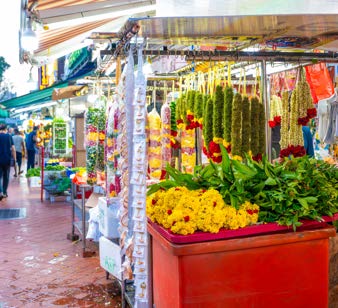
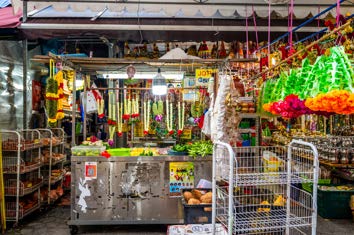
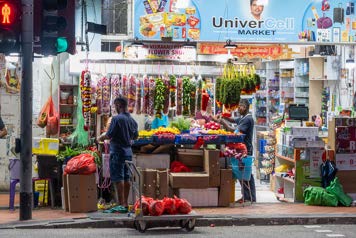
Since the 1960s the number of flower shops in and around Little India has grown approximately to sixty. A long time flower dealer says that in the early 20th Century, there were flower gardens in Singapore, where roses, jasmine and other flowers grew. They were plucked and tied together for local residents until the 1980s. When more families arrived, the demand grew.
Flowers are used for various temple functions, weddings, decorations during events and family functions, making the business competitive. There are more walk-in customers too, as it is common to buy flowers back home, because they have visited Little India.
After widely talking to many flower vendors in the area, we understand that flowers are flown in daily via air cargo from India, Indonesia, Thailand and Malaysia. Neem leaves, vizhvam, arugambul and fragrant flowers like mullai, jathi malli, samangi, kanagambaram and colourful roses are from places like Ooty and Bengaluru in India. In addition to flowers, threads and strings for tying and boxes are available at these flower shops.
Fresh Vegetables, Spices and Snacks
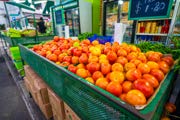
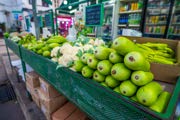
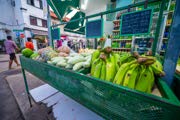
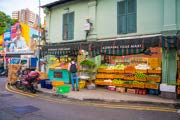
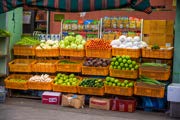
Vegetables displayed in the shops
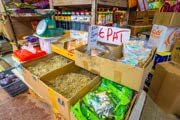
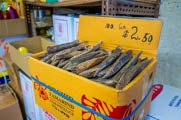
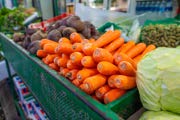
Almost all vegetables-Indian and others, are available in a number of shops in the area. These range from cauliflower, broccoli, carrots and beetroots to brinjal, bitter gourd etc.., other varieties of authentic Indian vegetables like panankelangu, nungo, sugarcane and fruits like jackfruit, custard apples, sathukudi, guava and others are also available.
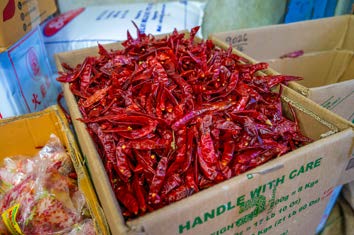
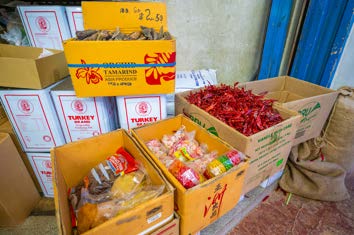
Stores stock a wide range of spices for different dishes. Sambar (the curry for the main dish), curry powders for making fish, mutton, chicken, prawn and crab dishes are available in plenty. The ready-made flours for Indian sweets and savouries like gulub jamun, murukku, pakoda and vadai are popular. Extensive varieties of pappads, pickles, fries, millet, rice and oils are available.
There are exclusive readymade snacks and sweets displayed on the shelves in almost all the grocery shops in the area.
Textiles
Indian authentic textiles, such as sarees of various types – silk, jute, soft silk, Kashmiri silk, Mysore silk, Bengal cotton, cotton and Punjabi suits and Ghagra cholis of different designs and fashion are also available at a number of stores in Little India.
Serangoon Road also houses businesses from India which have branched out to Singapore, such as Joyalukkas jewellers, Malabar Gold and Diamonds, Nalli Chinnasami Chetty Pte Ltd, and GRT Jewellers. These businesses serve the Indian community in Singapore, therefore adding value to both the community and the country.
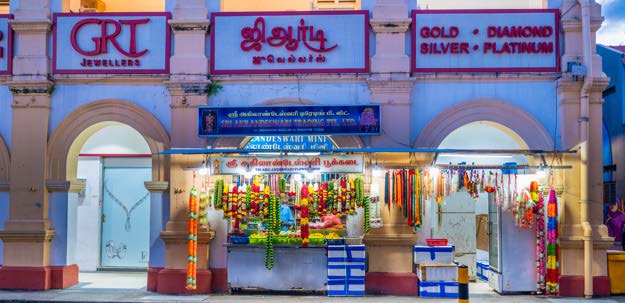
In Serangoon Road
Note: There are many businesses in the Little India area but we have focused on a selected few.
Chapter Ten
“Little India boasts some of Singapore’s oldest temples, dating back to the 1800s. Over the time, some have become National Monuments, and all remain important places of worship for the Hindus in Singapore.”
Temples
Since the early days, temples in and around Little India along with their religious services and activities have added moral dimension to the community.
Sri Veeramakaliamman Temple
Origin
This temple dedicated to Goddess Veeramakaliamman, another form of Sakthi, is situated at the heart of Little India, in Serangoon Road. In 1835, the efforts to build the temple were initiated by the Indian daily-rated workers. The area referred to as Sonambu Kambam, near the lime kilns, was identified as a site for the temple. The original land occupied by the temple was purchased from Richard Owen Norris on 25 July 1908. That same year, the divine figure of Goddess Veeramakaliamman was installed.
Development
In 1983, works on the new temple commenced with a Rajagopuram (towergate), comprising 8 main domes and other smaller domes. In 1987, the consecration ceremony took place. The modern amenities were included and it also had an ancillary three storey building situated at the back of the temple.
The Silver Frontages
On 9 April 2000, the second consecration ceremony was held. The silver frontages were made for the Sri Vinayagar, Sri Murugan and Sri Veeramakaliamman sanctums. In 2012, the building works were started for the new six storey building. On 22 June 2014, the third consecration was held, with additions of a wedding hall, a multipurpose dining hall and staff quarters.
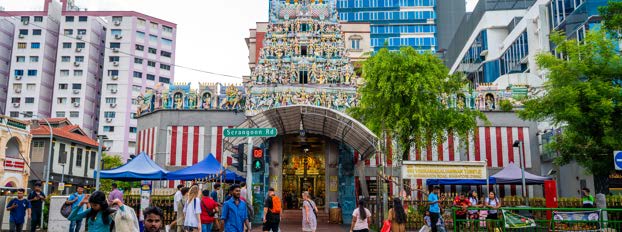
Sri Veeramakaliamman Temple Entrance
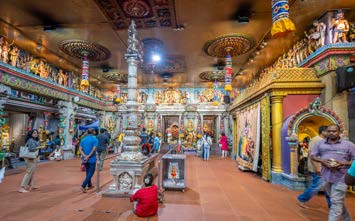
Inside the Sri Veeramakaliamman temple
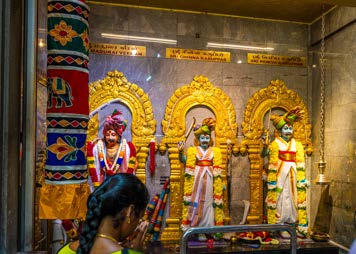
The Silver Frontages of the sanctums
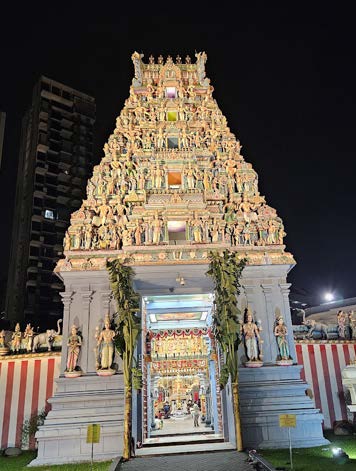
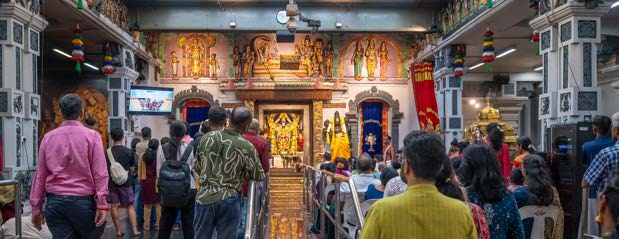
Sri Srinivasa Perumal Temple Views
Sri Srinivasa Perumal Temple
Origin
Sri Srinivasa Perumal Temple situated in Serangoon Road is sited on three adjoining plots of land that were acquired between 1855 and 1912. The temple was built in 1855 on the largest plot owned by a Hindu settler named Naracingam. A smaller plot was given to the temple by its then owner, Moona Sithumbram Pillay in 1894. The third plot was purchased in 1912 from the East India Company by the Mohammedan and Hindu Endowments Board.
Worship
The temple is dedicated to Hindu god Vishnu, worshipped as the embodiment of the powers of preservation and protection. Vishnu, in the form of Sri Srinivasa Perumal, is the presiding deity here.
Early Management
For the first fifty years, private trustees managed the temple. In 1907, the property was taken over by the Mohammedan and Hindu Endowments Board (MHEB). Vested as Endowment 1, it was one of four Hindu temples administered by the MHEB.
Current Administration & Rebuilding
Since 1969, Srinivasa Perumal Temple has been under the administration of the Hindu Endowments Board (HEB). The City Council of Singapore approved the construction of a much-needed new temple in 1961 and it was completed by 1966. Significant refurbishments were undertaken between the late 1970s and early 1990s, including the addition of a rajagopuram in 1979. Sri Srinivasa Perumal Temple was declared a National Monument in 1978.
Sri Vadapathira Kaliamman Temple
Sri Vadapathira Kaliamman Temple, situated in the Serangoon Road, is believed to have had humble beginnings. A sole female devotee placed a picture of the Goddess Amman under a banyan tree near the present location, which then had several wells and water points, serving the residents. It was referred to as ‘thannir kambam’ (or water kilns in Tamil).
In 1935, Mr Rengasamy Mooriyar converted the premises into a temple that had three main deities, Sri Vinayakar, Muruga and Ambal, conducting the consecration ceremony. In 1943, the premises was converted into a full-fledged temple, including the deities Sri Periachi, Madurai Veeran and Muneeswaran, by Mr Kottavai Govindasamy.
Mr S. L. Perumal took over the management of the temple after Mr. Govindasamy’s demise in 1948 and was later joined by Messrs Murugaiyan, Samiyappan, Vairappa Thevar and Thangavel Mandor as committee members. In the early 1970s, the temple was further renovated with separate sanctums created for the main deities and on 19 March 1975 it was consecrated, primarily funded by Mr S. L. Perumal.
In 1979, the Ramar Bhajan Matt operating in Cross Street relocated to the Sri Vadapathira Kaliamman Temple and was converted into a full-fledged temple by Mr. S. L. P. Mohhann, the son of Mr S. L. Perumal. In 1982, it was further renovated, and in 1984 he led the consecration ceremony for the two temples.
In 1994, a registered society was formed by the temple volunteer ubayakars and subsequently the society was dissolved. In 1998 a new Board of Trustees was formed. In 2003, this committee, under the leadership of Mr S. L.P. Mohhann, undertook further development projects that included, among other things, a 4-storey multipurpose hall, and on 23 January 2005 the consecration ceremony took place.
In December 2016, the last consecration took place.
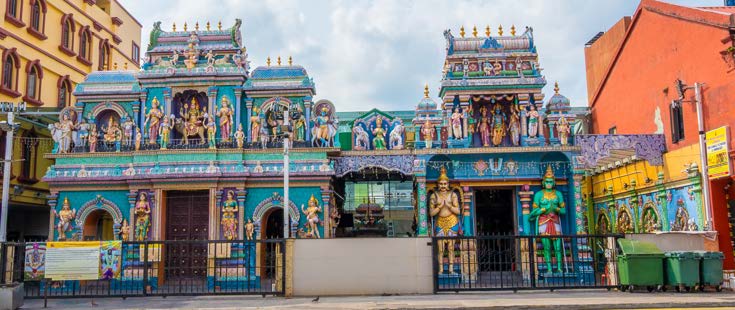
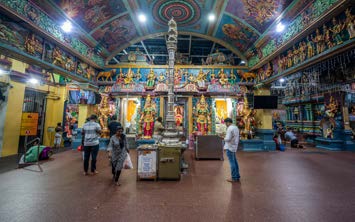
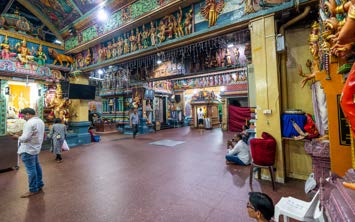
Vadapathira Kaliamman Details
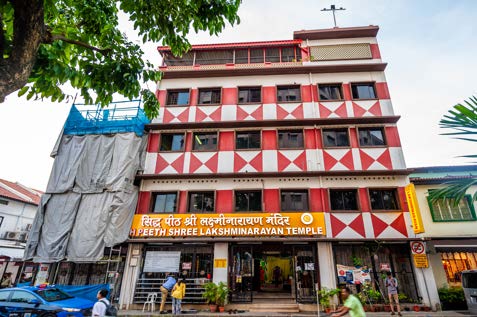
Shree Lakshminarayan Temple
Siddh Peeth Shree Lakshminarayan Temple
This temple situated in Chander Road is Singapore’s first dedicated place of worship for North Indian Hindus. The main deities here are Lakshmi and Narayan (Vishnu) and the Temple is based on the deities names. Lakshmi is the goddess of wealth and the consort of Vishnu, and Lord Vishnu is the deity responsible for the preservation and protection of the universe.
The foundation stone for the temple was laid in 1960 and the temple was completed around the mid-1960s with the support and donation from almost 10,000 North Indian Hindus from all classes. Prior to this, all festivals celebrated by the community were organized by the Singapore North Indian Hindu Association and they took place at different venues.
Shree Shiv Durga Mandir
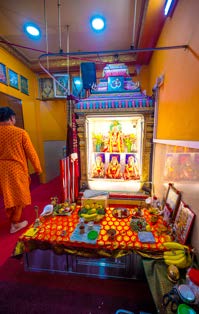
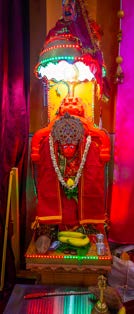
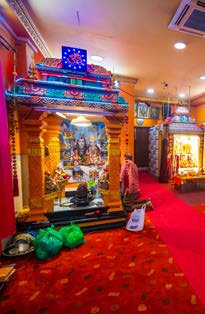
Singapore North Indian Hindu Association operates at 47 Cuff Road. There is a small temple in the premises, known as Shree Shiv Durga Mandir. There are marble statutes of some Hindu gods here and prayers take place every morning and evening. Festivals like Navarathri, Shivrathri, Ramnavami and Pradosham take place here.
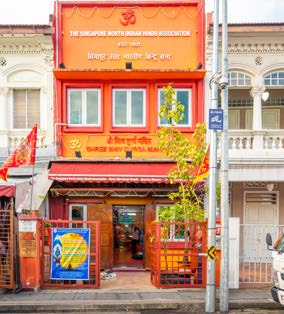
Shree Shiv Durga Mandir
Chapter Eleven
“Little India largely remains the cultural epicentre for the Indian community in Singapore, with traditional forms of vocal, instrumental music and dance being taught at the numerous arts centres in the area.”
Art Centres
Art centres in and around the area draw many people through the kaleidoscope of art forms, enhancing the cultural dynamism of the area.
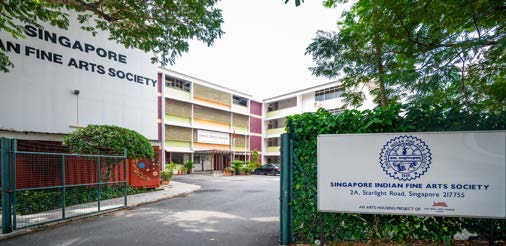
SIFAS main campus at 2A Starlight Road
Singapore Indian Fine Arts Society (SIFAS)
Singapore Indian Fine Arts Society (SIFAS), situated at Starlight Road, was established in 1949 with an aim to provide Indians with cultural grounding. This complemented the largely western education system that Singapore had adopted. SIFAS today stands as a pioneer institution, connecting the Indian arts community regionally and internationally, and serving as a hub for national integration.
Main Activities
In its early years, it focused on staging plays by Indian playwrights. Its first public performance was ‘Sacrifice’ by Rabindranath Tagore. The first Bharatanatyam (traditional Indian dance) classes were started in 1951.
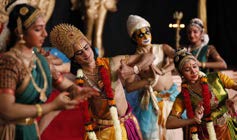
SIFAS tutors performing for IHC’s Ramayana series
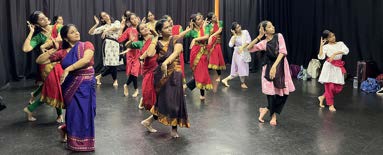
Kuchipudi workshop at SIFAS Blackbox
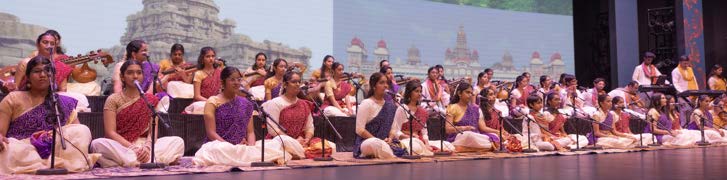
Carnatic performance for SIFAS Festival of Arts
Today, SIFAS has 2 wings:
- The Academy: Provides rigorous training and courses in Classical Indian Music, Dance, and Visual Arts with experienced teachers.
- The Productions: Creates original world-class dance, music, and theatre productions, reaching out to diverse communities including the silver generation and youths at risk.
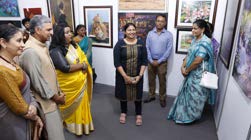
Visual Arts Exhibition featuring students’ artworks
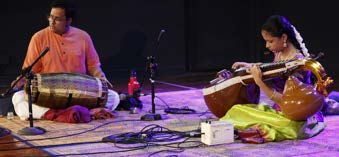
Carnatic Department’s students performance for SIFAS Academy Day
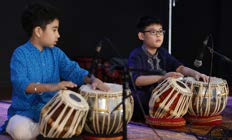
Tabla students’ performance
Photos Credit: SIFAS
Alapana Arts
Situated in Race Course Road, Alpana Arts was formed in 1999 with the goal of promoting Indian classical art forms and culture. It was started by Smt Banumathy Raghuraman and Sri V Raghuraman in keeping with the vision of Sangeetha Kalanidhi Dr. Sri S. Ramanathan. The institute adheres to the musical tradition inherited from the Trinity of Carnatic classical music.
Omkar Arts
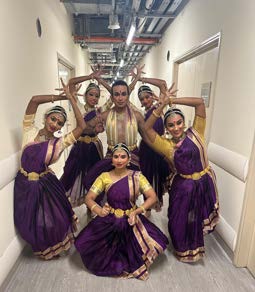
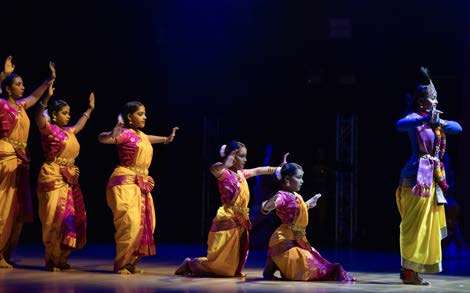
Photos Credit: Omkar Arts
Omkar Arts, situated in Race Course Road, was started in 1987 as an interest group and became a non-profit organization in 2020. While Bharatanatyam is the main focus, they also perform semi-classical, fusion, and folk dances at venues like the Esplanade and Indian Heritage Centre.
Bhaskar’s Arts Academy (BAA)
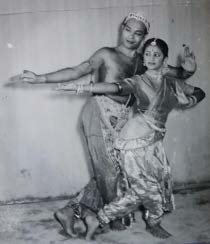
K P Bhaskar and Santha Bhaskar
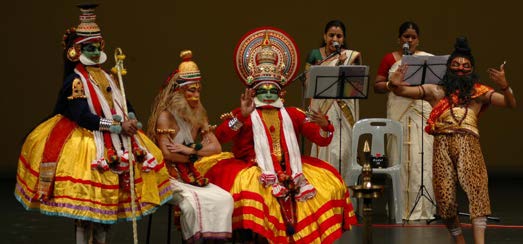
Photo Credit: BAA
Started in 1952 by dance doyens K.P. Bhaskar and Santha Bhaskar. Their teaching wing, Nrityalaya Aesthetics Society, offers classical dance and vocal classes. In 1958, Mrs. Santha Bhaskar staged "Butterfly Lovers" (a Chinese folktale) in Bharatanatyam, reflecting their deep roots in multiracial harmony.
Sarva Fine Arts
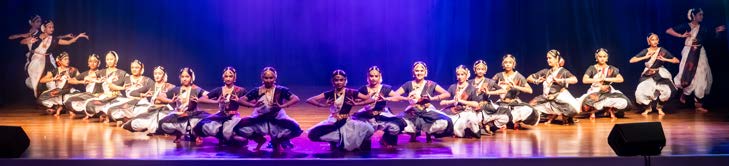
Photo Credit: Sarva Fine Arts
Situated in Serangoon Road, Sarva Fine Arts was started in August 2023. It offers courses in Indian classical dance, instruments, and vocals, focusing on contributing to Singapore’s social cohesion and cultural exchange.
Other Art Studios and Centres
There are numerous other art studios and centres teaching Indian classical dance forms, instruments, and vocal training dedicated to encouraging the continuation of Indian arts in Singapore.
Chapter Twelve
“As in the past, migrant workers from India continue to come to Singapore for work, and for these individuals, so far from home, Little India has become a second home, connecting them with their faiths, cultural practices, food and community.”
Little India - A Place to Bond
People from different parts of India come to Singapore to work under work permit passes for a specified period of time. Many of them come as construction workers or domestic helpers.
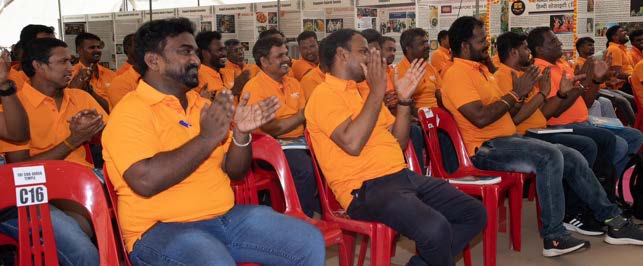
Photos Credit: LISHA
Since the 1990s, these workers have congregated during the weekends in the Serangoon Road - Little India area in large numbers. So it became a common sight to see Indian men hanging around in the area on weekends. Some businesses operated on weekends alone, targeting this group of people.
For these workers, after a hectic week at work, it was a relaxing time to be able to meet their countrymen, exchange things and get information and news about the people back in their hometown because hand phones were not in common use then. They purchased Indian groceries and other products before returning to their dormitories in the late evening.
A Shift in Recent Years
Over the last decade, there has been a shift in the number of workers visiting Little India during the weekends. A worker from Tamil Nadu who stays in the dormitory in Woodlands and has been in Singapore for close to ten years said that, in 2010, he used to go to the Little India area every Sunday morning. He would meet up with old friends, savour the Indian food and fulfil his vows at temples. He says, “My trips to Little India have been scaled down to once a month now, rather than on a weekly basis.”
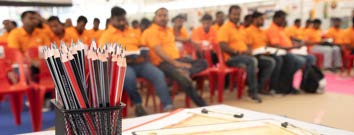
Some migrant workers attending an event
The reason for this is that there are now dormitories in many places in Singapore like Choa Chu Kang, Punggol, Sengkang, Changi and Tuas with in-house grocery shops, eateries, theatres, and cafeterias catering to most of the workers’ requirements. In their respective dormitory vicinities, they indulge in sports like football, volleyball, basketball and cricket.
Previously, as most of them cooked their own food, the sale of the groceries and other food related items were in greater demand. Now, as most dormitories cater food, the sales of groceries, food and mobile phones are some of the businesses that have been impacted. Many shopkeepers in Little India accept the dip in their businesses during weekends in the recent years, due to the infrequent visits by these workers.
Now prior to their return trips home to India, however, a visit to Little India becomes a must, to buy gold jewellery and gifts, if needed.
Still, the image of Little India full of Indian men over the weekends in the 1990s and early 2000s will be well-etched in the minds of Singaporeans.
Chapter Thirteen
“While Little India has its obvious connection to Singapore’s Indian community, all races and ethnicities have a presence in the area, with a history of different races place names, non-Indian places of worship and associations.”
Little India – A Place for All Races and Ethnicities
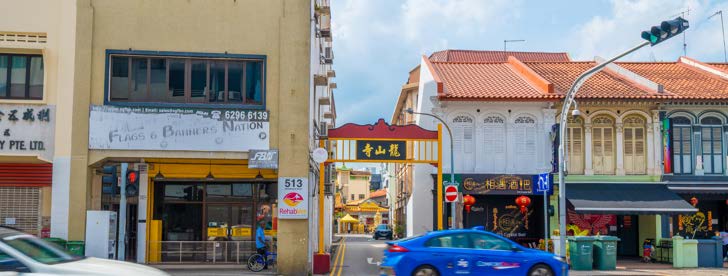
The three Chinese characters refer to Dragon Hill Temple. This arch is located at Serangoon Road in between Sri Srinivasa Perumal Temple and Sri Vadapathira Kaliamman Temple.
Though the name ‘Little India’ seems only connected with Indians, this area has been a home for many other ethnicities. The presence of Chinese, Europeans, and Eurasians along with Indians has been documented since the beginning. For example, in 1885, out of twenty plans submitted for businesses, three were for Chinese and seventeen were for Indian businesses.
Chinese Influence and Place Names
During that era, several areas within Little India were known by Chinese names:
- Race Course Road Lorong: Phau-be po hang
- Sungei Road: Tek-kha ma-ta-chhu tui-bin gu-long piu koi (The street beside the cattle pens opposite the Tek Kah police station)
- Syed Alwi Road: Sai-ek a lui koi thai-tu-long pi (Syed Alwi Street beside the abattoirs)
- Kandang Kerbau area: Tek Kia Kha (shortened to Tek Kah)
Malay Presence
The presence of the Malay community in the area since the early days is seen through the names of the roads like Sungei Road, Syed Alwi Road, Serangoon Road and Jalan Besar.
Around the Kandang Kerbau area, as cattle trade related businesses were established, it was called ‘Kampong Kerbau’ (Buffalo Village) in Malay.
The migrants from Pulau Bawean, Indonesia, established themselves in Kampong Kapor. In the 1840s, most of them worked in the construction of Race Course Road and some were employed as horse trainers, carriage and bullock cart drivers and gardeners.
European Presence
Race Course Road was constructed around 1840, and many Europeans interested in horse racing lived in the area. Roads like Dunlop, Cuff, Dickson, and Clive bear European family names. Retired European civil servants and middle-class entrepreneurs also chose to settle here.
Religious Places of Worship of Other Ethnicities
Kampong Kapor Methodist Church
Kampong Kapor Methodist Church at Kampong Kapor Road, known as the Malay Church or the Middle Road Church, was started in 1890 by a group of Malay-speaking Straits Chinese. They bought over the Christian Institute at Middle Road and established their own church in 1898. The current site was obtained in 1927, at the corner of Cuff Road and Kampong Kapor Road, and the construction started in 1929. From 1957 onwards, the church came to be known as Kampong Kapor Methodist Church. In 1987, the church was rebuilt, and it was gazetted for conservation in 1989 upon completion.
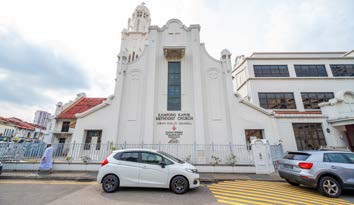
Kampong Kapor Methodist Church
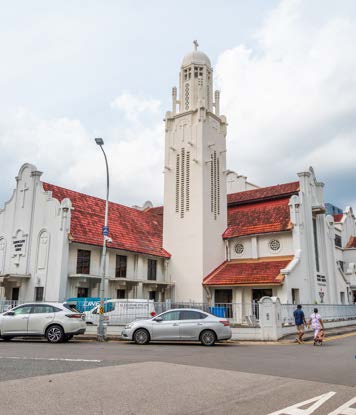
Foochow Methodist Church
Foochow Methodist Church
This Church is situated at Race Course Road. There were many rickshaw pullers, coolies and barbers from Foochow, China living in Middle Road. Foochow Methodist Church was started as a mission for them in 1897. The current site was acquired as a compound house in 1936 and was converted into a church in 1937. During World War II, it was damaged by a bomb explosion. The front of the building had to be completely rebuilt based on plans drawn up in 1936 and the back portion was reconstructed to match the front in 1950.
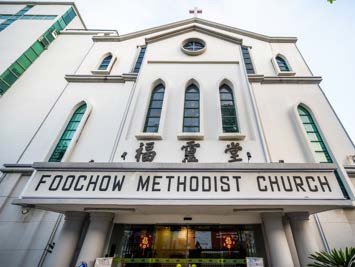
Foochow Methodist Church
Church of the True Light
The Church of the True Light is an Anglican Mission for the Heng Hua and Hock Chew Chinese from Fujian Province. It was started in 1911. In 1940, a larger site at the corner of Dickson Road and Perak Road was acquired. After more than a decade of fund-raising, the foundation stone was laid in 1951 and was completed in 1952. It was gazetted for conservation in 1989.
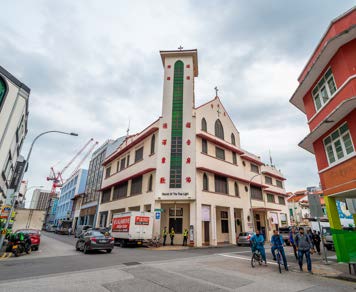
Church of the True Light
The Landmark Church
Situated in Serangoon Road, this is another significant place of worship for Christians in the area.
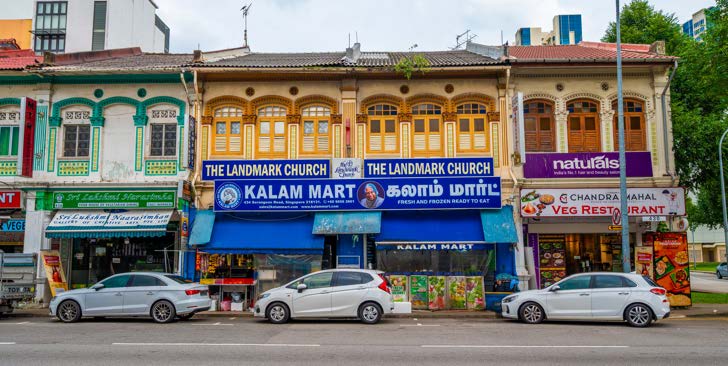
The Landmark Church
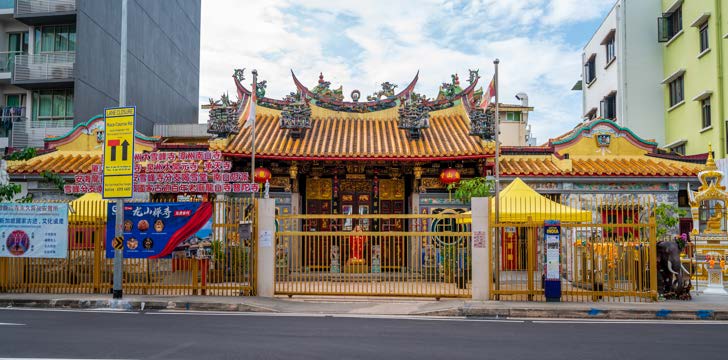
Leong San See Temple
Leong San See Temple
Leong San See Temple, also known as the Dragon Mountain Temple, dedicated to the Buddhist Goddess of Mercy, was founded by Reverend Chun Wu in 1917. It was further expanded by Tan Boot Liat, a local philanthropist. This temple is situated in Race Course Road and the architecture resembles a Chinese palace. The temple offers various Buddhist prayer services.
Sakya Muni Buddha Gaya Temple
Another Buddhist Temple is the Sakya Muni Buddha Gaya Temple founded in 1927 by the Thai monk, the Venerable Vutthisasara. The present temple at Race Course Road was built in 1930 with donations from Aw Boon Haw and Aw Boon Par, brothers known for developing the Tiger Balm ointment. It is referred to as ‘Temple of 1,000 lights’. The temple has 15 metres tall statue of a seated Buddha, which weighs nearly 300 tonnes.
It is said that the temple also houses an “ebony and mother-of-pearl replica of Buddha’s footprint” as well as “a piece of bark from the original Bodhi tree under which Buddha sat”.
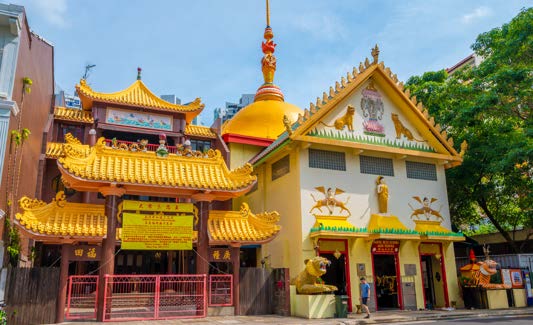
Sakya Muni Buddha Gaya Temple
Hock Siew Tong Temple
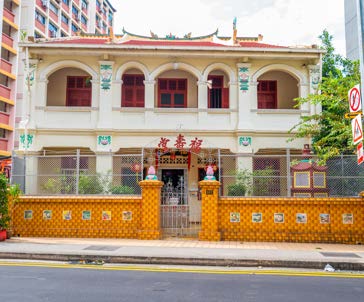
There is also a Chinese Temple called ‘Hock Siew Tong Temple’ in the same road. The main Goddess of the Temple is Guanyin (Cundi).
Beo San Hood Chor Temple
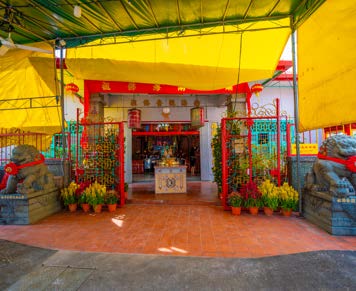
It is situated at 443 Race Course Road.
Abdul Gafoor Mosque
Abdul Gafoor Mosque, built in 1907, is one of Singapore’s oldest mosques. It replaced the timber one which was constructed in 1859, at Dunlop Street.
Shaik Abdul Gafoor bin Shaik Hyder, a Tamil Muslim, raised funds for the construction of the new mosque. He was one of the two trustees of the Dunlop Street Mosque wakaf (Arabic for a religious endowment). After Gafoor’s death in 1919, the mosque was renamed Abdul Gafoor Mosque in his memory. The mosque was gazetted as a National Monument in 1979.
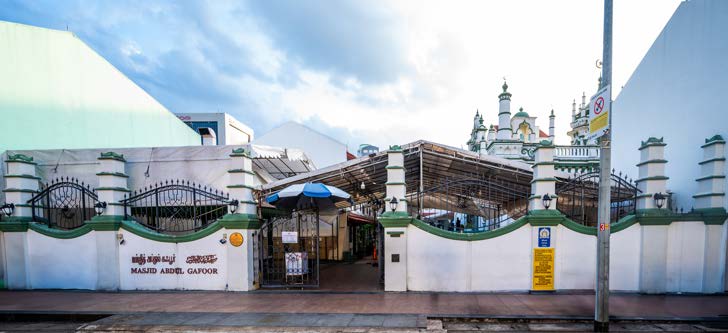
Angullia Mosque
Angullia Mosque takes its name from merchant and benefactor Mohamed Salleh Eusoof Angullia. The Angullias, also known as Angadias, were Gujarati Sunni Muslim traders who also had their trading businesses in Singapore and Southeast Asia. Mohamed Salleh Eusoof Angullia was a merchant in Singapore who traded in spices, sugar, timber, pins and cutlery in the region and amassed great wealth. He owned lands at Bras Basah Road, Serangoon Road, Belilios Lane, Mohamed Sultan Road, Orchard Road and Paterson Road. Angullia Park was named after him. He also acquired land along Serangoon Road in 1890; the mosque was built in 1892 and it stands as conserved structure.
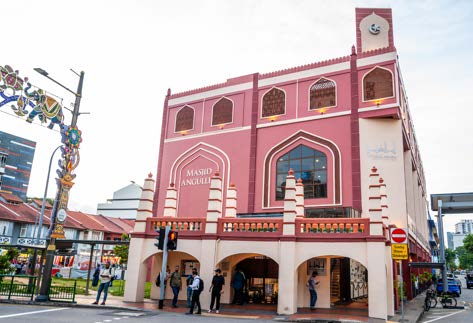
Others
The eight room Chinese Villa, the house of Tan Teng Niah near Little India MRT, was built in 1900 and was restored in 1980s as an architectural award winning building.
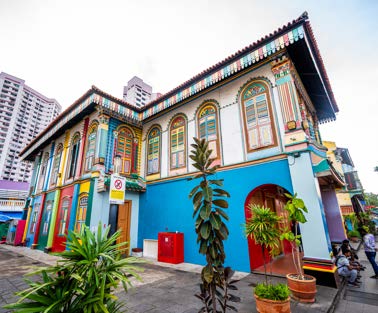
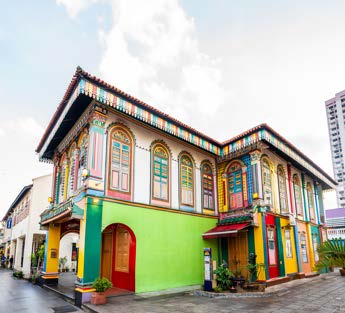
The colourful House of Tan Teng Niah
The Ellison Building, on the corner of Selegie Road and Bukit Timah Road, erected in 1924 by Isaac Ellison, is distinctive for its Star of David sign on the building's central pediment reflecting the area's pre-War connections to the Jewish community.
The Nanyang Tong San Association situated in Race Course Road, the Singapore Han Clan Association located in Tessensohn Road, and Singapore Anglican Community Services in Race Course Road are other significant non-Indian associations in the area.
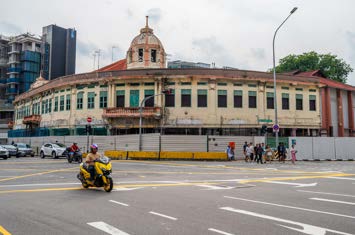
The Ellison Building
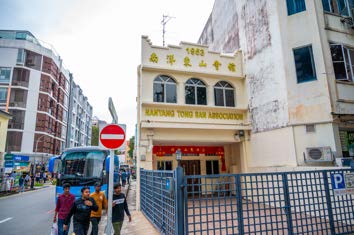
Nanyang Tong San Association
There are a number of other places of worship and faith-based organisations in the Little India, we have chosen to focus on some selected ones here.
Puppet Shows
Among the puppet troupes in Singapore, Yi Li was the famous Teochew Puppet Troupe, located in the Dunlop Street. Hence in 1940s, the colloquial names for Dunlop Street was Yi Lai Hang (Yi Li Lane). It was common then to hear the music of the rehearsals of the troupes in the evenings. The Hengwa Maru Temple in Madras Street was relocated to Geylang Lorong in 1993, and the history of traditional Chinese Puppet Theatre in Little India ended in 1996 when the Chye Sing Hong String puppet troupe was subsequently closed.
Chapter Fourteen
“This chapter highlights the origins, work and contributions of LISHA, the organisation that effectively manages the Little India area, liaising with a number of government agencies and organisations to encourage and promote Indian culture and heritage.”
LISHA – The Precinct Manager
Little India Shopkeepers and Heritage Association (LISHA) was established in 2000 to foster business and commercial activities in the area and to promote the culture and heritage of the Indian people. It was primarily started to liaise with government agencies on what developments Little India wanted. The name was changed to Little India Shop Owners & Heritage Association in 2024.
In 1979, Serangoon Merchant’s Association was established to look into the welfare of the merchants in the area and to make representations to and liaise with the government. Mr. G. Ramakrishnan was the first President and Mr. Ra Su Shanmugam was the Secretary. As the Singapore Tourist Promotion Board wanted a bigger platform, LISHA was formed.
Now LISHA is the business association, the cultural custodian and the cultural precinct manager of Little India.
They have adopted some eco-friendly and ‘go green’ measures, by encouraging people to shift to the use of non-plastic water bottles, and from Deepavali 2024 onwards, all bills and invoices will be issued electronically. LISHA acts as a voice for the merchants, addressing the concerns of the various communities in Little India.
LISHA’s commitment towards and concern for society is apparent through their annual contributions to the President’s Challenge, to SINDA’s Project Give and to the National Book Council of Singapore.
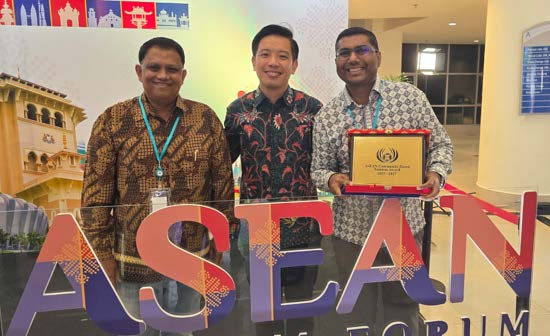
Mr Ruthirapathy Parthasarathy, Hon Secretary, LISHA; Mr Alvin Tan, Minister of State, Ministry of Culture, Community and Youth & Ministry of Trade and Industry; Mr Reghunarth Siva, Chairman LISHA
Photos Credit: LISHA
ASEAN Community-Based Tourism Award 2025-2027
In 2025, LISHA was awarded the ASEAN CommunityBased Tourism Award 2025-2027. Mr Regunarth Siva, Chairman, LISHA, says, “ASEAN Community Award is given in recognition of the efforts LISHA has put in for the Indian community in Singapore. We have increased the footfall to little India through our various cultural activities like Deepavali, Indian New Year, Tamil New Year and Pongal.”
He adds on, “We have also created a youth wing which encourages Indian youth in Singapore to involve themselves in Little India’s culture and business.”
LISHA Women’s Wing
LISHA Women’s Wing (LWW) was founded by Ms. Joyce Kingsly in 2012. LWW is a visionary robust committee that has its primary focus on uplifting women. It has established a platform that enables young women entrepreneurs to connect with each other and work towards achieving their goals in business.
LWW has organised more than 200 events consisting of networking sessions, awareness programmess, business forums, seminars, workshops and other unique events.
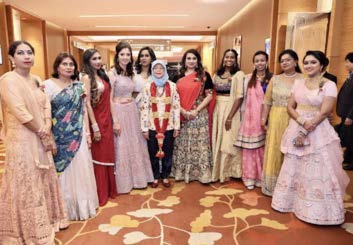
Some members of LWW with Singapore’s former President Mdm Halimah Yacob
Photo Credit: Ms Joyce Kingsly
A book, ‘Doyenne Voice Not An Echo’, featuring fifty successful businesswomen, was launched in 2017 at Marina Bay Sands Expo and Convention Centre, with a second volume released in 2022 at the same venue.
In 2019, LWW earned a place in the Singapore Book of Records with their ‘Curry Fiesta’, which served two hundred varieties of curries at an event marquee at Campbell Lane. In 2021, a ‘Biriyani Fiesta’ was held, using a different concept as it occurred during the peak of COVID, with special discounts at 30 restaurants in Little India. In 2021, another record was achieved with their ‘Community On Colours’ done in collaboration with Singarangoli. In 2022, yet another place in the Singapore Book of Records was earned, with serving 100 varieties of street finger food at an event marquee at Kinta Road.
Page 122
Chapter Fifteen
“The celebration of festivals in Little India is often with lights, music, traditional foods, clothing and markets. This chapter looks closer at these festivals and how their impact extends beyond the Indian community.”
Festivals at Little India – A Focal Point for Indian Culture
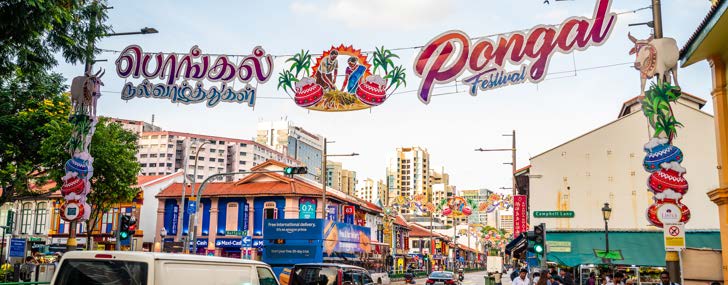
The Light-Up decorations during Pongal in Serangoon Road
Little India boasts a number of celebrations from religious, food, culture to traditions. It attracts a lot of people during festivals such as Deepavali, Pongal, Tamil New Year and other major Hindu festivals like Thaipusam, Vinayagar Chaturthi and Navarathri. Stunning street banners with bold colours and designs that tell a story of unity, progress and the collective energy around us are displayed in Serangoon Road during the festive seasons.
Special Bazaars
During Deepavali, Campbell Lane transforms into a special bazaar, the ‘Deepavali Village Festival’ selling ornamental lights, plastic rangolis (colourful floor designs), women’s traditional accessories such as bangles, costume jewellery, clothes, sweets, savouries and many more. LISHA facilitates the licensing and other arrangements for the shops that are in the Campbell Lane, for this special bazaar.
In Serangoon Road, a designated Deepavali Bazaar offers people a number of choices to buy the traditional Deepavali clothes, blankets, handbags, slippers, accessories, authentic murukku, snacks and many more.
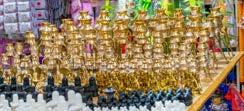
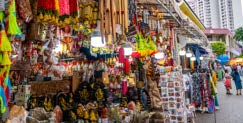
Special Bazaars
Competitions and Workshops
LISHA organises various competitions for the migrant workers, tourists, students, senior citizens and others during the festive seasons. Competitions are conducted to build the strong sense of community spirit. Rangoli and kolam workshops, treasure hunt adventures, cooking demonstrations and flower tying demonstrations are rolled out for various demographics, as many congregate in Little India, enjoying the festive spirit.
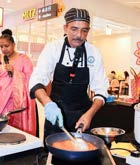
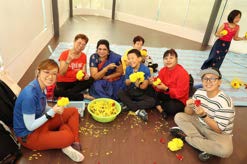
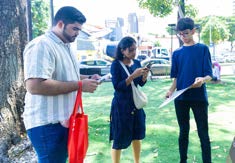
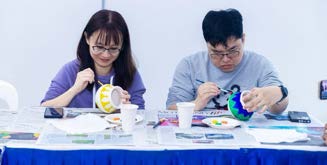
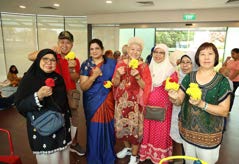
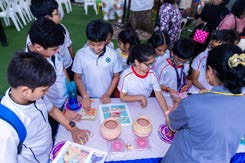
Workshops and Competitions
Photos Credit: LISHA
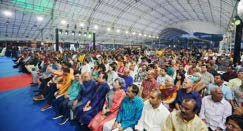
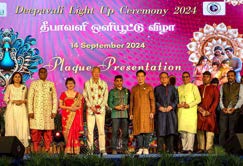
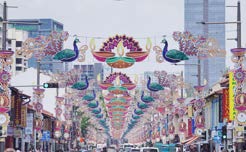
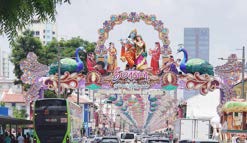
Deepavali Light-Up 2024 - Photo Credit: LISHA
Festival Light-Up Ceremonies
LISHA plans a major event, the ‘lighting up’ ceremony for Deepavali and Pongal. Since 1988, the annual Deepavali light-up was organised by Singapore Tourist Promotion Board and since 2000 LISHA with the support of Singapore Tourism Board and Hindu Endowments Board have been organising this, while a similar Pongal light-up has been taking place since 2010.
Mr. Ruthirapathy Parthasarathy, Honorary Secretary of LISHA, says, “Our Deepavali Light Up is touted as one of the best and most colourful in the region and draws in a number of people into the precinct.”
Lotus, peacock, swan and diyas or traditional oil lamps, have been some of the themes for the light decoration in the Serangoon Road. The community leaders, partners and the general public usually join in the celebrations in large numbers. Some buses and Trains (MRT) are also decorated to mark the festival.
Indian Cultural Fiesta
In 2010, Singapore’s founding father and the first Prime Minister, Mr Lee Kuan Yew, wanted to meet up with the Indian community, so an event called the Indian New Year’s Celebration was organised. In this a number of Indian ethnic associations of Singapore came together to showcase their cultural diversity through the display of food, costumes and cultural performances. This continues till date. This event gives different Indian ethnic groups an opportunity to network.
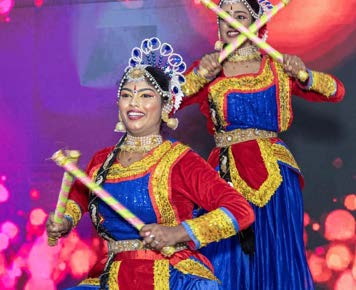
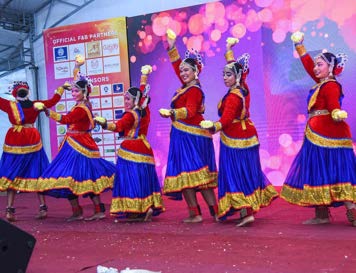
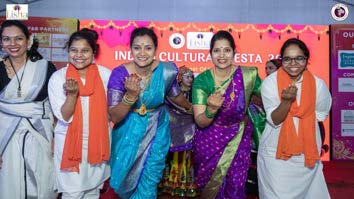
Performances by the different Indian ethnic groups
Photos Credit: LISHA
Thaipusam
During Thaipusam (taking place in the month of January or February) kavadis and palkudams (sacrifices and offerings of milk) are carried from Sri Srinivasa Perumal Temple through Serangoon Road to reach Sri Thendayuthapani Temple at Tank Road. Some lanes in Serangoon Road are blocked to ensure the smooth flow of devotees as they walk the journey, taking their vows. The Little India area comes alive, with some organisations and individuals offering snacks, drinks and food to the devotees. Different types of kavadis are seen. People dress in yellow attire, and sing the hymns of Gods, while taking their vows.
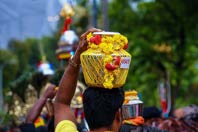
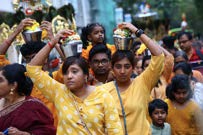
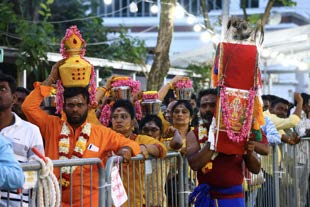
Devotees taking their vows coming along the Serangoon Road
Festive Processions
On some special occasions, Serangoon Road witnesses festive processions, with Hindu Gods coming in chariots. From the Sri Veeramakaliamman Temple, on the eve of the Masi Maham, a Tamil festival held between mid-February and mid-March, the prime deity Sri Veeramakaliamman comes on a silver chariot procession along the Serangoon Road, similarly Lord Muruga comes on the eve of Panguni Uthiram, another Tamil festival.
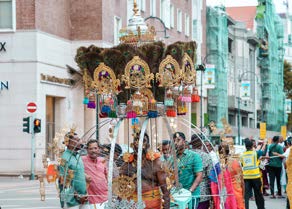
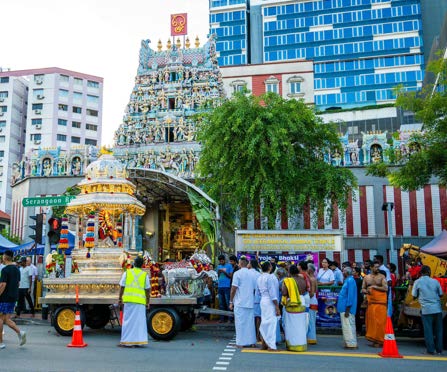
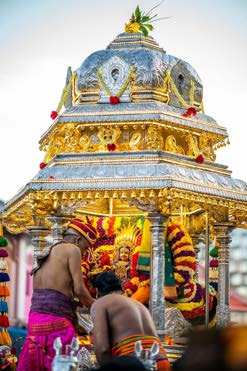
In front of the Sri Veeramakaliamman Temple
Expatriates in Little India
The shopkeepers in the Little India area say that the influx of expatriates in the recent years have also brought in some cultural influences, which they will have to keep pace with. One example is the sale of hundreds of statues of the Hindu God Vinayagar during Vinayagar Chathurthi, a Hindu Festival usually held in September. Earlier hardly twenty statues were sold.
Ms. Latha (52), a resident of Singapore, when asked about her connection with Little India during festival time, says that she visits the Deepavali Bazaar with her family, as the choice of dresses and accessories are wider, with selections from different parts of India.
Mrs. Meenal (40), another resident of Singapore, says that during Pongal, it is a must for her to go to Little India to purchase plantain leaves, inji (ginger), manjal (turmeric) and sugarcane to have an authentic Pongal celebration. She further adds that a visit to Little India during the festival season is undoubtedly rejuvenating, adding more value to the festivals.
The Evolution of Pongal Celebrations in Little India
A conversation with Mr. Rajakumar Chandra, owner of Jothi Store & Flower Shop and advisor to LISHA.
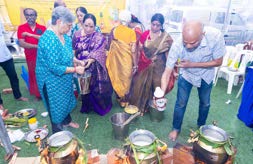
Photo Credit: LISHA
LISHA was formed in the year 2000, with Mr. Param as the Chairman and also the Vice-Chairman of HEB (Hindu Endowments Board) and I was the Secretary. We planned for the celebrations on Pongal, the harvest festival thanking the Sun God in Little India. The objective was to educate the younger generation on the significance of the agricultural process. Though there is no agricultural land in Singapore, still as rice is our staple food, the initiatives were taken.
There were several challenges. As part of the planning, the first closure of Campbell Lane took place. To gazette it for the closure of such a busy road with a car park and number of businesses, we had to write to many departments. There was high resistance from the shopkeepers at Campbell Lane, as their businesses would be affected. Still Mr. Param put in his best efforts to fulfil the necessary requirements for the closure of Campbell Lane during the festival period. We had limited financial resources then and hence we had to get sponsors for all the activities related to the festival. We wanted to bring cows and calves as Singaporeans have no chance to see them on roads or in open areas. We had to get Animal Veterinary Agency’s (AVA) clearance in the maintenance, feeding, watering, drainage and cleaning of the area.
We had erected a tentage in the place where the Indian Heritage Centre is now built, which was an open space then.
4. What are the other things that took place as part of the celebrations?Many cultural groups accepted a nominal fee and conducted programmes during that week. Some shops brought Pongal pots, paddy and they were on display.
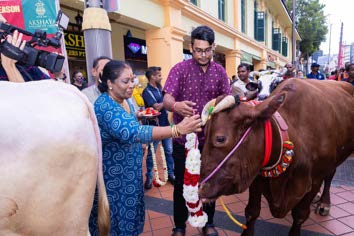
Photo Credit: LISHA
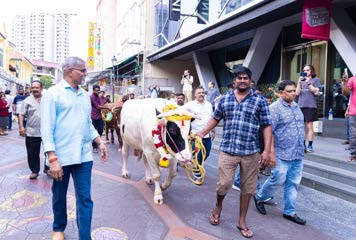
Photo Credit: LISHA
Yes. Actually, the whole Campbell Lane turned into a ‘Pongal Village’. Many shopkeepers tapped on this opportunity to sell the Pongal related items such as sugarcane, Pongal pot, turmeric, ginger and others, attracting not just Tamils but also other ethnic groups to Little India. Hence I would say this initiative transcended the cultural value of Pongal in Singapore.
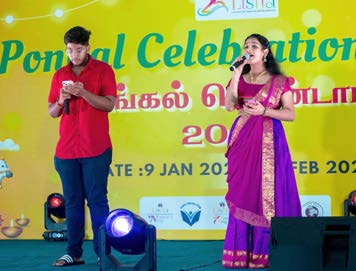
A performance
Photo Credit: LISHA
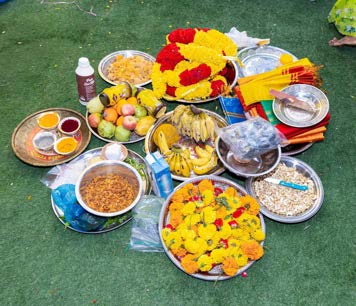
Pongal related items
Photo Credit: LISHA
Over the years we reached out to the schools of Singapore, as our primary objective was to reach the younger generations. Slowly it spilled over to the Community Centres and Indian Activity Executive Committees (IAECs) reaching more people.
7. How did the public enjoy?To view the cattle farm, small children came with their parents, grandparents and over the years, it has become a family affair, as the children do learn about the cultural values too.
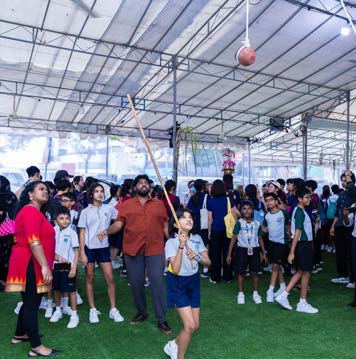
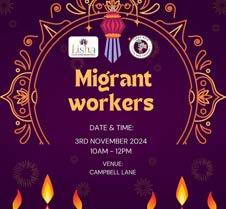
Competitions for migrant workers
Photo Credit: LISHA
The celebrations now are very inclusive. Through the support of various partners, media and by word of mouth, the celebrations are vibrant. Tourists, religious organisations, general public, students, migrant workers, senior citizens, cultural groups, non-Indians and many others are part of the celebrations. Tourists and locals participate in mass Pongal celebrations. Tourists are given a platform to understand the significance of Pongal. As most of the migrant workers come from the rural areas in India, they connect with the celebrations instantly, as it brings back the memories of Pongal celebrations at home. The cultural programmes performed by local and overseas groups include traditional folk arts, like karagam, mayilatam, oyilatam, etc. Over 100 senior citizens from old age homes like Sree Narayana Mission, Sun Love Home, Jemaiah and others are also part of our celebrations. They are the Pioneers who contributed to the building of this nation. This is one way of thanking them for their efforts. We offer them sumptuous food, gifts and goodie bags. So it is a big fulfilment for LISHA in the beginning of the year to serve the society.
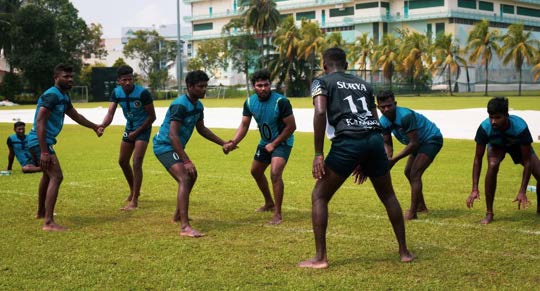
Photo Credit: LISHA
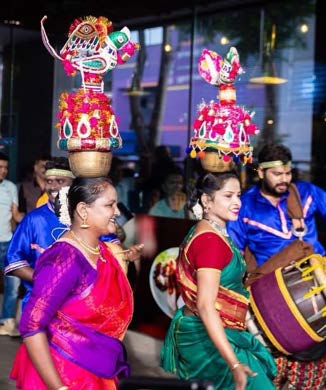
Karagam performance
Photo Credit: LISHA
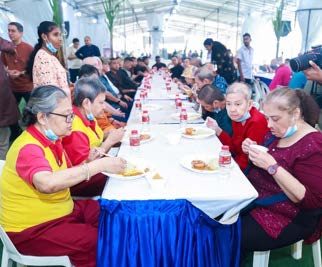
Photo Credit: LISHA
First when we started, I had a question in mind as how long will it go? Now we are in the 25th year of celebrations. Now it has become more of a National event. As a former Secretary, Chairman and now as an Advisor to LISHA, I am optimistic about the continuity of the Pongal Celebrations. To further underline its success, the Little India Pongal festivals have been included in the Ministry of Education’s (MOE) curriculum.
All information in this chapter is credited to Little India Shop Owners & Heritage Association (LISHA) website and Facebook page and to Mr. Rajakumar Chandra, advisor to LISHA and owner of Jothi Store & Flower Shop in Little India.
Chapter Sixteen
“Little India is popular among tourists who visit Singapore, due to the authentic experience of Indian culture it offers as well as the vast variety of Indian cuisine, art, places of worship and stores in the area.“
Little India: A Tourist Spot
Little India in Singapore is a version of India, offering the tourists a glimpse of the authentic Indian culture, traditions and spicy Indian food. In spite of the tropical climate in Singapore, tourists come here throughout the year. While Indian tourists visit Singapore more usually in the months of April, May and June.
It is a common sight to see tourists strolling either as a family or in groups flocking at the shops to purchase electronics items, jewellery, textiles, accessories, scents, belts, handbags and inexpensive ornaments. The whole of Little India can be explored just by walking around or by public transport if the need arises.
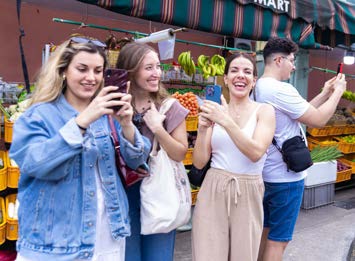
Tourists in Little India
Photo Credit: LISHA
Big Bus Tours
LISHA organises Big Bus Tours to attract tourists during the festival season. For Pongal 2025, the Big Bus Tour was organised during the months of January and February with the pickup point at Orchard Hotel, Orchard Road at a charge of $10 per person. Indian Heritage Centre also organises Big Bus Tours.
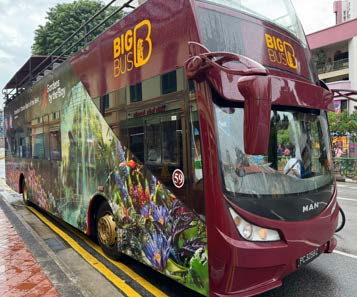
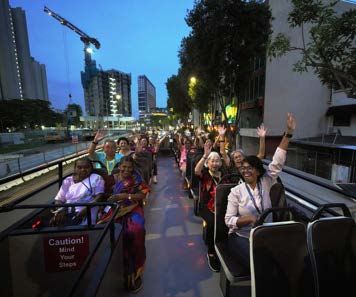
Big Bus Tours
Photo Credit: LISHA
Workshops
As mentioned earlier, the tourists take part in many workshops like garland tying and others along with some fun activities like treasure hunt as a fringe activity during festival season.
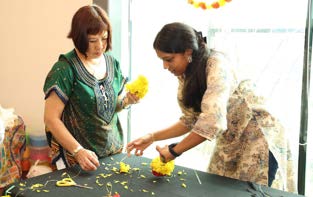
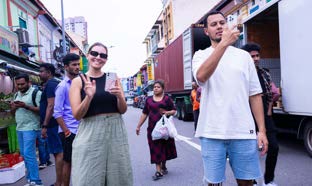
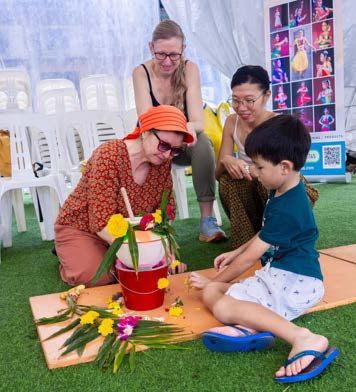
Tourists taking part in workshops and demonstrations
Photos Credit: LISHA
Cultural Heritage and Experiences
The Indian Heritage Centre’s Museum showcases the story of Indians in Singapore and it is a must visit for those interested in history. The shophouses are another heritage feature of this area.
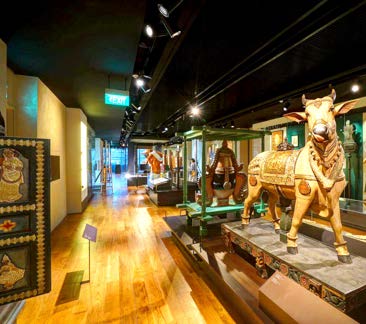
View of the ‘Roots & Routes: Origins and Migration’ gallery within the Indian Heritage Centre’s Permanent Exhibition, Indians in Singapore: Past & Present.
Courtesy: Indian Heritage Centre
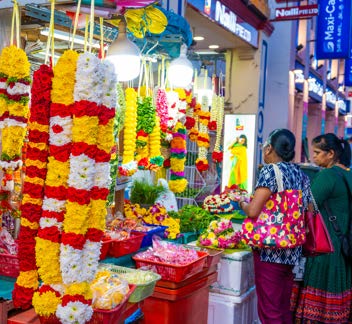
Attractive garlands in the flower shop
Dr Abdul Raoof, General Manager of LISHA, says, “Another fascinating feature for the tourists is to see the tying of the flowers and they find the garlands very attractive, and show an interest in the significance of each flower”.
A Variety of Tourists in Little India
Mr Subbiah Ramu, the owner of Ani Mani Porchalai Pte Ltd, says that they have customers from all over the world. They especially see a number of Sri Lankan Tamils who relate to the Tamil culture. Tourists from European countries such as Norway, Sweden, France and Canada and Australia come mainly during August and September. Mr. Ramu says that his shops receive over 100 tourists a month on average. During peak period, they receive close to 200 tourists a day.
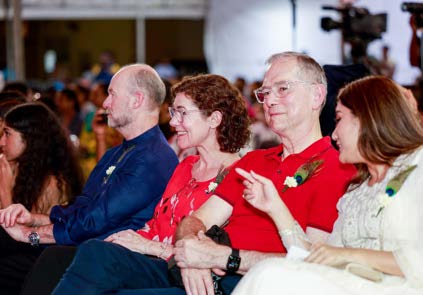
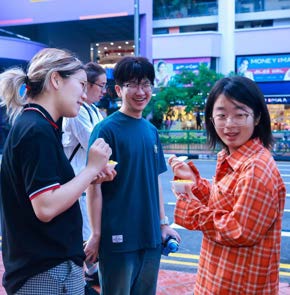
Tourists in the Little India Area
Photos Credit: LISHA
Tourism Statistics
According to LISHA, during the Deepavali 2024 Little India Light-up period, the tourist count to the Little India area was more than 300,000. The top five countries that the tourists came from are:
- Malaysia (18.2%)
- USA (16.6%)
- India (12.5%)
- United Kingdom (4.6%)
- Germany (4.1%)
Tourists’ average spending per head for food was SGD 40/- and for shopping was SGD 43/-. According to the Singapore Cultural Statistics 2023 by the Ministry of Culture, Community and Youth, the visitorship in person to the Indian Heritage Centre in 2022 was 114,331.
Tourist’s Experiences
Ms Linda (49), a tourist from South Germany, who was visiting Singapore for the second time, found Singapore’s standard of living very high with different cultures and various cuisines. She finds the shops with fruits, vegetables and groceries, and the shophouses in Little India attractive. She says that Singapore is a food paradise and she enjoys the biriyani rice, dhal and the vegetables.
She adds further, “I visited the Indian Heritage Centre’s Museum and understood that the pioneers of the country had worked hard to build this nation, and they had undergone several hardships then.”
Ms Chen Wei Xi, another tourist from Guangxi autonomous region, China, found Singapore very clean and green and liked the culture, traditions and heritage here.
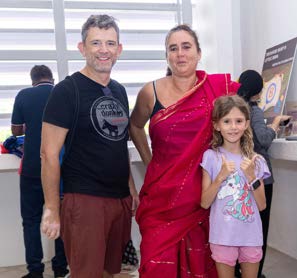
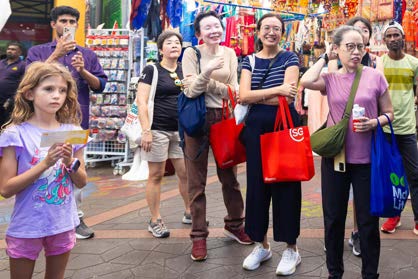
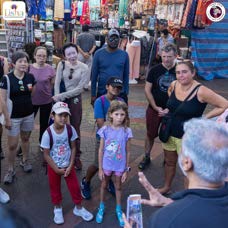
Tourists enjoying different activities
Photos Credit: LISHA
Chapter Seventeen
“As the heart of the Indian community in Singapore, Little India is naturally the hub for a number of key organisations, associations and businesses.”
The Indian Heritage Centre (IHC)
The Indian Heritage Centre (IHC), a heritage institution under the National Heritage Board (NHB), preserves and showcases the history and cultural heritage of the Indian and South Asian communities in Singapore and Southeast Asia. Officially launched on 7 May 2015 by former Prime Minister Mr. Lee Hsien Loong, it is situated in Campbell Lane as a four-storey building comprising five permanent galleries, a special exhibition gallery, a museum shop, and activity spaces.
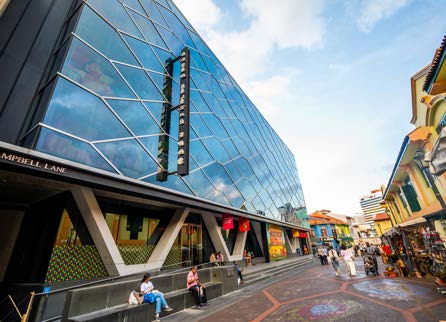
The Indian Heritage Centre at Campbell Lane
Collections and Permanent Galleries
IHC has built an extensive collection of artefacts displayed in the museum’s Permanent Galleries. These are thematically arranged to trace the community’s journey from pre-colonial South and Southeast Asia to post-colonial Singapore. The galleries also feature interactive digital displays and audiovisual elements, including oral history interviews with community members from various trades.
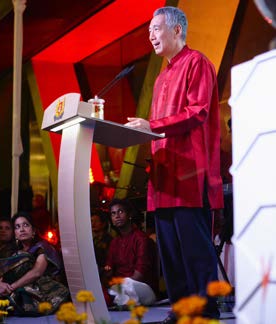
Former PM Mr Lee Hsien Loong at the IHC launch
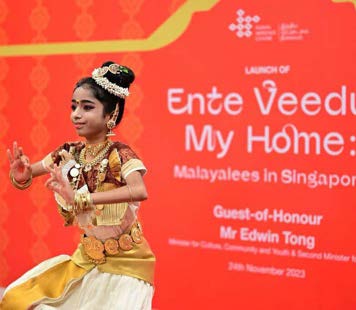
Special Exhibitions
Since opening, IHC has curated several special exhibitions like “Once Upon a Time in Little India” and collaborated with Chetti Melaka, Sikh, and Malayalee communities. Notable exhibitions include "Sikhs in Singapore: A Story Untold" and "Ente Veedu, My Home: Malayalees in Singapore."
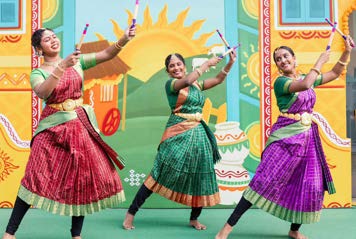
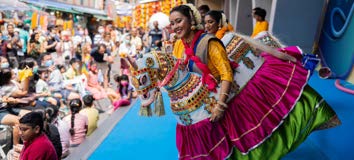
IHC's open house celebrations bring the community's living heritage to life
Mahatma Gandhi Memorial Hall (MGMH)
India’s first Prime Minister, Jawaharlal Nehru, laid the foundation stone in June 1950. Located at 3 Race Course Lane, it was built using donations from the Indian community and opened in 1953. Today, it serves as a reminder of Gandhi’s teachings of peace and non-violence. Since 2021, the building has been refurbished and serves as the SIFAS Annexe, a vibrant hub for Indian classical dance and music.
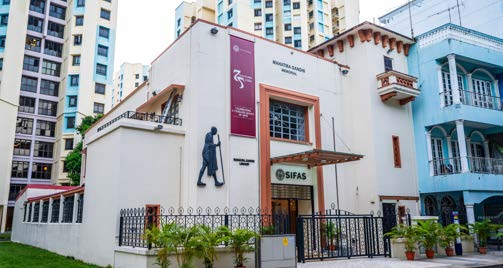
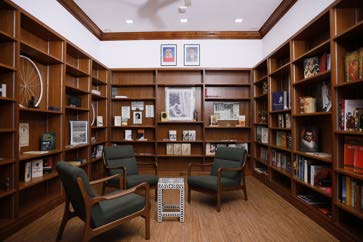
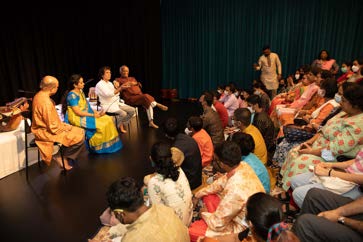
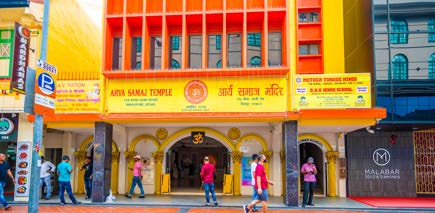
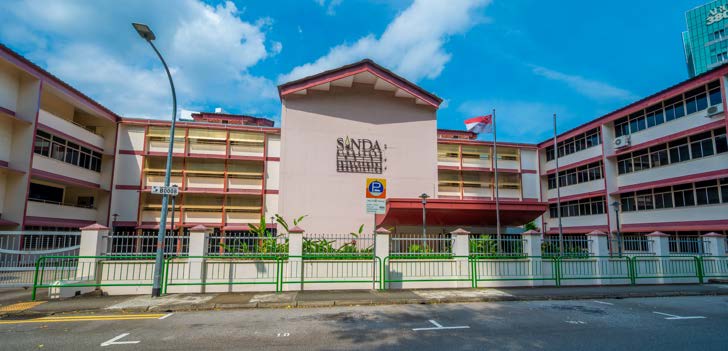
Arya Samaj & SINDA
Arya Samaj: Founded in 1927 and located at 113 Syed Alwi Road, it runs the DAV Hindi School, serving about 3,000 students. It hosts Vedic prayers, satsangs, and bhajans on Sundays.
SINDA: The Singapore Indian Development Association (located at 1 Beatty Road) is a self-help group founded in 1990. It focuses on five thrusts: Education, Youth, Family, Community Assistance, and Community. In 2024, SINDA increased its PCI threshold to $1,600 to help more families cope with the cost of living.
Hindu Endowments Board (HEB) & PGP Hall
HEB: A statutory body managing Sri Mariamman, Sri Srinivasa Perumal, Sri Sivan, and Sri Vairavimada Kaliamman Temples. It also runs the HEB-Ashram and the Sivadas-HEB Education Fund for students.
PGP Hall: Opened in 1965 by President Yusof bin Ishak and funded by Mr. P Govindasamy Pillai, it is a premier venue for weddings and cultural arts with a 560-seater auditorium.
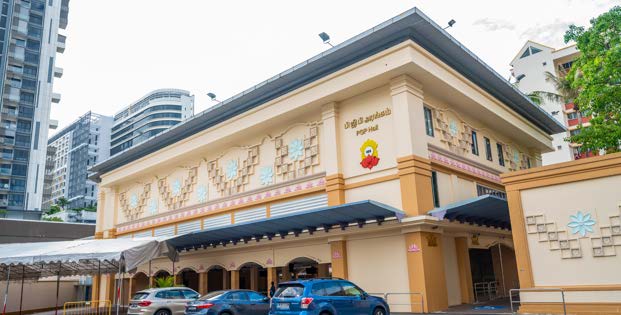
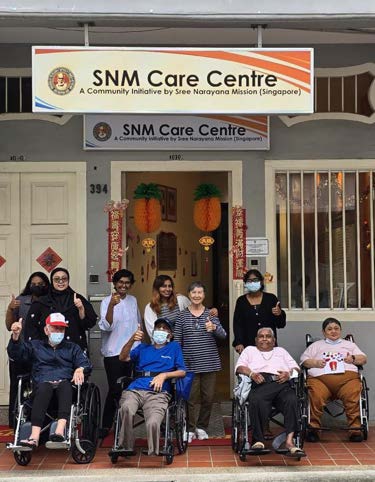
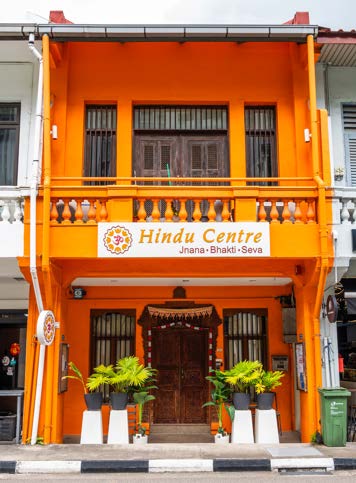
Sree Narayana Mission & The Hindu Centre
SNM: The SNM Active Ageing Centre (AAC) at Race Course Road provides social activities and lifelong learning for seniors. It is a registered secular charity with IPC status.
The Hindu Centre: Located at 132 Owen Road, it offers courses on Hinduism and yoga. Its "Mitra" project provides religious counselling to prison inmates, while the "Bandhu" programme offers elder care at various nursing homes.
Singapore Khalsa Association & Singapore Indian Association
SKA: Established in 1931 at Balestier Road for Sikh sporting skills. It houses a club house, kindergarten, and fine-dining restaurant.
Indian Association: Founded in 1923, its clubhouse foundation stone was laid by Jawaharlal Nehru. It has been a promoter of cricket, tennis, and hockey for over a century.
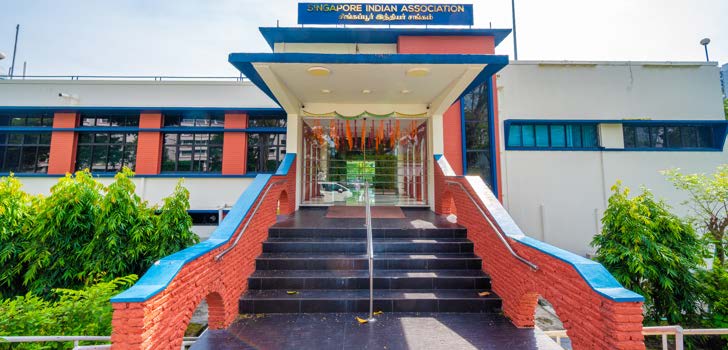
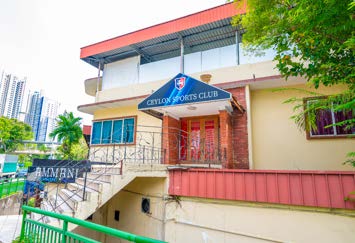
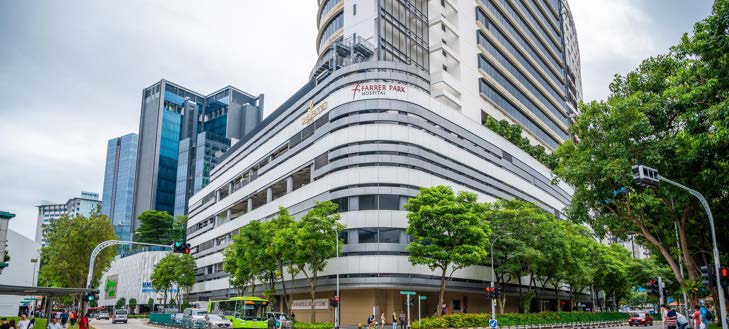
Ceylon Sports Club & Farrer Park Hospital
Ceylon Sports Club: Established in 1928 at 101 Balestier Road, providing sports fields and function halls.
Farrer Park Hospital: A 20-storey integrated building with a hospital, hotel, and spa. It features advanced medical technology, including robotic surgery and livestreaming capabilities for seminars.
Tamils Representative Council (TRC) & STYC
TRC: Instituted in 1951 by Mr. G Sarangapany, it unites 40 affiliate organizations. It provides educational bursaries and maintains international ties with Tamil organizations globally.
STYC: The Singapore Tamil Youths’ Club (est. 1957) at 7A Cuff Road focused on social transformation through drama and now organizes talentimes and blood donations.
Others
There are various spiritual, meditation and yoga groups in the Little India area like Amriteswari Society Singapore in Hindoo Road, Gita Reading Society in Cuff Road, Namadwaar Singapore in Serangoon Road, The Art of Living Yoga and Meditation classes in Serangoon Road, Sri Guru Ragavendra Society Singapore in Serangoon Road, Simplified Kundalini Yoga Society in Serangoon Road, Rajayoga Power Transcendental Meditation Society Singapore in Serangoon Road and others.
The notable hotels in and around Little India are Novotel Singapore in Kitchener Road, Holiday Inn, One Farrer, Hilton Garden Inn, Village Hotel Little India, Broadway, Penta, Classique and others.
Little India is home to a number of other organisations, associations and businesses. In this section we have focused on some of them.
Having visited the past and present situations of Serangoon Road/Little India, I am optimistic about the future. It will be vibrant and dynamic area as ever, but perhaps the world of technology may raise certain concerns. Two major factors obviously would influence people and impact the businesses.
Firstly, online shopping – with more and more people moving towards this mode of shopping, the question is, will the footfall decrease? Secondly, large malls – with more and more people preferring shopping in modern air-conditional malls (and more such malls are being built), would the small shops and the stalls in Tekka market be affected?
The answer lies in the merchants’ ability to adapt to the changes. It would also be dependent on the depth of emotional attachment that Indian and non-Indian communities have for this area. For the tourists, they will leave with memories of the sights and sounds of Indian culture and the traditions they savoured during their sojourn in this iconic part of Singapore.
Little India, one of the ethnic districts, has evolved positively over two centuries and will no doubt continue to adapt to the changes and thrive as ever both commercially and culturally!
Acknowledgements
I would like to thank the following people for their support and contributions:
- 1.
Mr Alvin Tan, MOS, for his foreword, Mr Rajan Krishnan, Mr R Rajaram, Mr Anbarasu Rajendran, Mr Siva Regunarth for their messages.
- 2.
LISHA for launching the book.
- 3.
Mr Rajakumar Chandra for his interview and inputs for the book.
- 4.
Ms Mona Thyagarajan for proofreading and Mrs Padmini Kesavapany for vetting the book.
- 5.
Mr Natchathiram Premkumar, PremStarZ Production for photography.
- 6.
Mr T. Jothenathan, Jhivajothe Prints for printing the books.
- 7.
Mr Brij Mohan Singh and Mr S Samikannu for their inputs.
- 8.
Singapore Indian Association for allowing to use the photos from the book ‘Passage of Indians 1923-2003’ published in 2003.
- 9.
All the organisations, commercial centres and their members featured in this book for their information and photos.
- 10.
Ms Nachammai SivaSanthoshi Vairavan for helping with the collection of the materials.
| Term | Description |
|---|---|
| Ambal / Amman | Hindu goddess |
| Arugambul | Bermuda grass plant (Tamil word) |
| Beedi | A traditional rolled cigarette common in South Asia, made of tobacco flake wrapped in leaf. |
| Betcha | Also known as a beca, becak or sa leng chia, a trishaw or pedal rickshaw. |
| Bhakti | Devotion or Belief (Sanskrit word). |
| Bharatanatyam | Classical dance form originating in Tamil Nadu, India. |
| Biriyani | Mixed rice dish made of rice, meat/seafood and spices, popular in South Asia. |
| Chapathi | Traditional unleavened Indian flatbread. |
| Chettinad | Tamil for ‘Land of the Chettiars’, refers to a community of nearly 80 villages across two districts in Tamil Nadu, India, sharing similar cultural practices and cuisine. |
| Chunam | Kind of cement plaster (Tamil word). |
| Deepavali | Also known as Diwali, Hindu festival of lights, celebrating the triumph of good over evil. |
| Dhal | Cooked lentil dish, often in thick soup form, with spices. |
| Diya | Lamp (Hindi word), refers to small oil lamps made of clay or mud, used during festivals and religious festivals. |
| Ghagra cholis | Ethnic clothing for women, worn mostly in northern states in India, consisting of a long skirt (ghagra), blouse (choli) and a shawl like scarf (dupatta). |
| Guanyin (Cundi) | Also known as Kuan Yin, common Chinese name of the bodhisattva Avalokitesvara, associated with compassion. |
| Holi | Hindu festival of colours, associated with both the triumph of good over evil and also the love between the Hindu god Krishna and Radha. It is celebrated by throwing coloured powders and water on one another. |
| Inji | Ginger (Tamil word). |
| Jathi malli | Spanish jasmine plant (Tamil word). |
| Jnana | Education (Sanskrit word). |
| Kaaliaatgal | First generation (Tamil expression). |
| Kabaddi | Traditional competitive team sport, originating in India, played with two teams of seven players each, involving a tag and defence play. |
| Kampong | Village (Malay word). |
| Kanagambaram | Crossandra or Firecracker flower (Tamil word). |
| Karakam | Folk dance native to Tamil Nadu, India. |
| Kavadi | Refers to ceremonial sacrifice practiced by devotees of the Hindu deity Murugan and central to the festival Thaipusam. |
| Kolam | Traditional decorative art using rice flour, usually drawn in front of homes or altars, to bring prosperity. |
| Krishna Janmashtami | Annual Hindu festival celebrating the birth of Krishna, the eighth avatar of the Hindu god, Vishnu. |
| Kumbabishegam | Refers to a Hindu temple ritual, a consecration ceremony, considered deeply sacred and conducted before a temple is officially ready to receive devotees. |
| Lakshmi | Hindu Goddess. |
| Lembu | Buffalo (Malay word). |
| Madurai Veeran | Folk deity popular in Tamil Nadu. |
| Maharnonbu | Annual Hindu festival. |
| Manjal | Turmeric (Tamil word). |
| Masi Maham | Tamil festival taking place in the month of Masi, under the lunar star of Maham, considered auspicious. |
| Mayilatam | Traditional Tamil folk dance. |
| Mee goreng | Spicy stir fried noodle dish, native to Singapore and Malaysia. |
| Mullai | White jasmine flower (Tamil word). |
| Muneeswaran | Hindu god. |
| Murugan / Muruga | Also known as Karthikeya, Hindu god. |
| Murukku | Savoury, crunchy snack from South India, made of rice flour, black gram flour and spices. |
| Navarathri | Hindu festival honouring the goddess Durga, celebrated for nine nights. |
| Nungo | Ice apple or Palmyra fruit (Tamil word), common in Tamil Nadu. |
| Ottu kadaikal | Small/Petty shops (Tamil). |
| Oyilatam | Traditional Tamil folk dance. |
| Pakoda | Fritter, often of potato or onion, coated in gram flour batter and deep-fried. |
| Palkudam | Vessel of milk (Tamil word). Refers to the practice of carrying a pot of milk to offer to the Hindu god Murugan during Thaipusam. |
| Panankelangu | Palmyra or palm sprouts (Tamil word). |
| Panguni Uthiram | Tamil Hindu festival, celebrated on the full moon in the month of Panguni. |
| Pappads | Indian snack and accompaniment at meals, made of black gram or other flour and deep fried. |
| Pathinettampadi Perukku | Also known as Aadi Perukku, or the Aadi Monsoon Festival. |
| Periachi | Hindu goddess. |
| Pongal | Hindu harvest festival celebrated by Tamils, named after the ceremonial traditional dish made of rice, milk and jaggery. |
| Pradosham | Auspicious time occurring bimonthly during which the Hindu god Siva is honoured. |
| Rajagopuram | Royal tower/gateway (Tamil word). Refers to the main towergate at the shrine of a temple. |
| Ramnavami | Annual Hindu festival celebrating the birth of Rama. |
| Rangoli | Decorative art form using rice flour, coloured sand, flowers and other materials. |
| Rotan | Cane (Malay word). |
| Sakthi | Hindu goddess. |
| Samangi | Also Sampangi, Tuberose flower (Tamil word). |
| Sambar | Lentil based dish made with spices, similar to a vegetable stew, originating in South India. |
| Saraswathy | Hindu goddess of learning. |
| Sathukudi | Sweet lime fruit (Tamil word). |
| Seva | Service (Sanskrit word). |
| Shivrathri | Celebration honouring the Hindu god Shiva, or Siva. |
| Singa | Lion (Tamil word). |
| Siva | Also spelled Shiva, one of the principal Hindu gods. |
| Sonambu Kambam | Village of Lime (Tamil). |
| Suruttu | Traditional rolled tobacco (Tamil word) similar to a cigar. |
| Tamilar Tirunal | Auspicious day/Festival of the Tamil people (Tamil). |
| Tamizhagam | Tamil Nadu. |
| Tamizhar Seerthirutha Sangam | Association for reforming Tamil society (Tamil). |
| Tekka | Bamboo (Hokkien word). |
| Thaipusam | Annual Hindu festival celebrated mainly by Tamils, honouring the Hindu god Murugan. |
| Thannir kambam | Water kilns (Tamil word). |
| Ubayakar | Refers to people who are donors for various aspects of conducting rituals at temples. |
| Vadai | South Indian deep fried savoury snack made of pulses. |
| Veena | Stringed instrument originating in the Indian subcontinent used in Carnatic music. |
| Veeramakaliamman | Also known as Kali, a Hindu goddess. |
| Vinayagar / Ganapathy | Hindu god. |
| Vinayagar Chathurthi | Annual Hindu festival honouring the Hindu god Vinayagar. |
| Vishnu | One of the principal Hindu gods, has other names, such as Narayan. |
| Vizhvam | Also spelled Vilvam, Indian bael plant used in the worship of Hindu god Siva. |